

Echoes of the Kiln Rediscovering the Soul of Handmade Clay Teapots
How Earth, Fire, and Time Combined to Create the Most Intimate Vessel in the History of Tea
The Birth of the Clay Teapot Tradition
Long before steel kettles and porcelain cups filled modern kitchens, tea was brewed in vessels shaped from earth itself. The earliest clay teapots originated during the Ming dynasty in China, a period that marked the refinement of loose-leaf tea culture. As powdered tea gave way to steeped leaves, potters in the city of Yixing began crafting small clay pots specifically designed for brewing. The unglazed surfaces of these teapots were porous, allowing them to absorb the aroma and flavor of tea over time. Unlike metal or porcelain, clay interacted with water and leaf, tempering heat and softening texture. Each pot slowly developed a personality unique to the tea it served. The relationship between drinker and vessel was intimate, almost spiritual. These teapots were not just tools, but living companions that matured with every pour, each one carrying traces of its own history within its walls.
The Essence of Yixing Clay
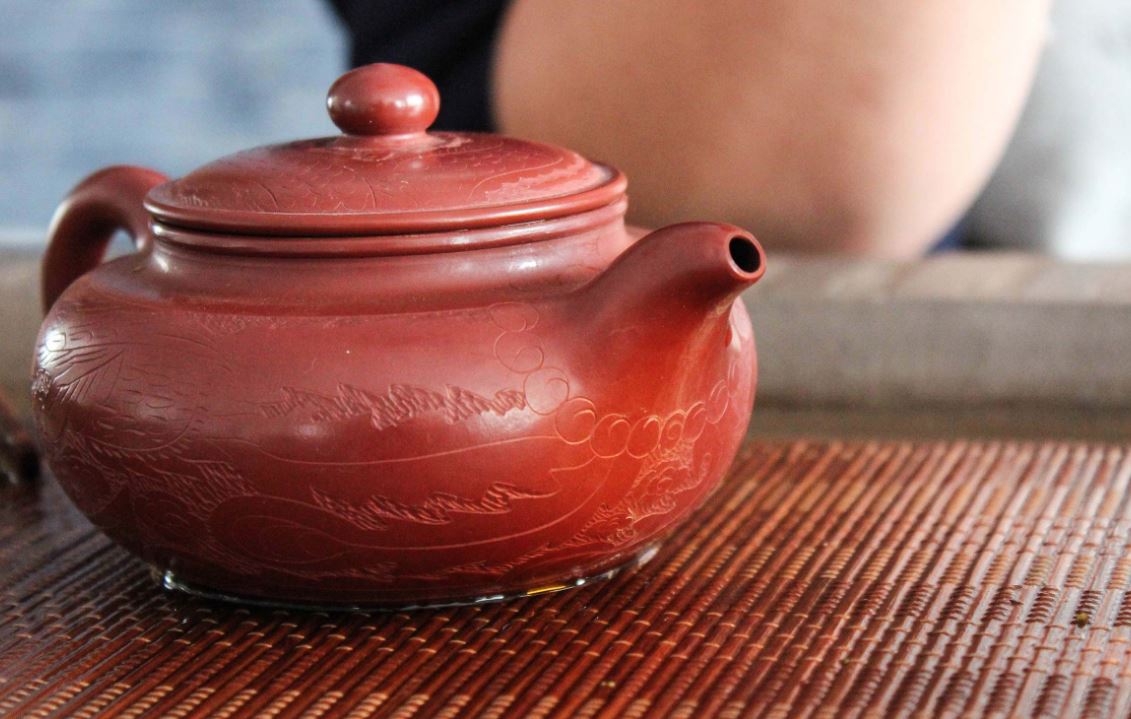
The Yixing region of Jiangsu Province became synonymous with the highest standard of teapot craftsmanship. Its local zisha clay contained natural minerals that made it both durable and breathable. The name zisha means purple sand, though the material appears in hues ranging from ochre to deep plum. What made it extraordinary was its microscopic structure. The clay retained heat evenly while allowing minute amounts of air to circulate, producing a smoother infusion and fuller flavor. Tea brewed in a Yixing pot possessed a clarity and warmth that no glazed ceramic could replicate. Over centuries, artisans learned to match different clays to specific teas. Red clay pots suited oolongs and black teas, while lighter yellow clays favored green varieties. The process of crafting these teapots required meticulous skill, from shaping the body by hand to firing it in wood-fueled kilns. Each piece represented not only function but philosophy, a union of human craft and natural balance.
The Evolution of Form and Function
Early Yixing teapots were small, often designed for single servings rather than large gatherings. This reflected the shift in tea culture from communal preparation to personal appreciation. The small size allowed for multiple short infusions, revealing new flavors with each pour. Over time, designs diversified to express both artistic and utilitarian ideals. Teapots were shaped like bamboo shoots, gourds, or mythical creatures, each form symbolizing harmony, longevity, or wisdom. Handles were balanced to control pouring precision, and spouts were engineered to prevent dripping. The harmony of proportion was so precise that master potters often worked for years to perfect a single style. Unlike industrial molds, every handmade teapot carried subtle irregularities that made it unique. Functionality and beauty coexisted in equilibrium, an aesthetic that would later inspire Western potters during the height of the porcelain trade. Each pot embodied a dialogue between material, maker, and meaning, distilled through centuries of refinement.
The Cultural Reverence for Clay
In Chinese philosophy, clay teapots were more than instruments of brewing; they were vessels of contemplation. Scholars and poets used them as symbols of integrity and moderation. The simplicity of the clay contrasted with the luxury of the tea it held, reflecting the Confucian virtue of balance. During gatherings, hosts would present their prized teapots as they might present paintings or calligraphy. The act of pouring became performance, where rhythm and respect guided every gesture. In Japan, the influence of Chinese claywork contributed to the wabi-sabi aesthetic, which prized imperfection and humility. In Korea and Vietnam, similar traditions emerged, blending local clay techniques with spiritual expression. Even as centuries passed, the clay teapot remained central to the ritual of tea. It represented continuity, grounding the drinker in the sensory present while connecting them to generations past. Each use was an act of remembrance, a conversation with the ancestors who first shaped earth into art.
The Journey Westward
When European traders arrived in China in the seventeenth century, they were captivated by both tea and the vessels used to brew it. Porcelain captured their attention first, but the understated charm of Yixing clay soon followed. These teapots were exported across Asia and Europe, inspiring new designs in Delft, Meissen, and Staffordshire. Western artisans sought to replicate the smooth, earthy texture of zisha, but the mineral composition of Chinese clay proved inimitable. Nevertheless, the concept of the teapot as a refined household object took root. The English afternoon tea tradition, which blossomed during the Georgian period, owes part of its evolution to the humble Chinese clay pot. The preference for small teapots, intended for concentrated flavor rather than volume, was a direct inheritance of Yixing philosophy. The teapot, once a distinctly Asian artifact, had become a global symbol of hospitality and taste, bridging continents through its simple purpose.
The Decline of Handcrafted Clayware
With the rise of industrialization, the art of clay teapot making began to wane. Mass production brought convenience and uniformity, but it also diminished individuality. Factory ceramics, while practical, lacked the living warmth of hand-shaped clay. The connection between potter and tea drinker grew distant. In the twentieth century, the modern world turned toward stainless steel, glass, and electric kettles. These materials reflected a fascination with speed and efficiency, values that clashed with the contemplative nature of traditional tea preparation. As consumer culture favored immediacy, fewer people were willing to wait for a slow pour or to maintain a pot that required delicate care. In some regions, entire families of artisans saw their craft disappear within a generation. The teapot, once a vessel of cultural identity, became an object of nostalgia, its quiet artistry replaced by mechanized precision and polished surfaces that revealed nothing of the hands that made them.
The Sensory Science Behind Clay
Clay’s enduring appeal lies not only in its heritage but in its scientific properties. The porous structure of unglazed clay acts as a natural flavor reservoir. Each brew season the interior with trace oils from tea leaves, creating a memory of flavors that enhance future infusions. Over time, a seasoned pot develops what connoisseurs call tea patina, a subtle sheen that deepens color and improves aroma retention. This seasoning process transforms the vessel into a personalized brewing tool. Even water quality is influenced by clay. Minerals in the pot slightly soften water hardness, allowing tea compounds to dissolve more evenly. The thermal balance of clay also ensures stable brewing temperatures, critical for achieving consistency. These organic interactions between leaf and vessel are lost in non-porous materials. In essence, a clay teapot behaves less like a container and more like a collaborator. It learns, adapts, and evolves with its user, embodying a harmony between science and soul.
Modern Revivals and New Interpretations
Despite periods of decline, the twenty-first century has witnessed a resurgence of interest in handmade teapots. Contemporary artisans, inspired by tradition yet unafraid of innovation, are reimagining claywork for modern sensibilities. Some revive ancient kiln techniques, such as wood-firing that infuses clay with natural ash glazes, while others experiment with hybrid clays that blend local minerals for new tonal variations. International potters from Taiwan, Japan, and even the United States have embraced the Yixing philosophy, crafting vessels that emphasize individuality over uniformity. Online tea communities have amplified appreciation for these works, turning collectors into storytellers who trace each pot’s origin. The revival is not just aesthetic but philosophical. In a world driven by haste, the act of brewing tea in a clay pot has become an act of resistance. It invites stillness, patience, and attentiveness, qualities that modern life often forgets to cultivate.
Regional Traditions Beyond Yixing
While Yixing remains the spiritual home of the clay teapot, other regions have developed distinctive styles that reflect their own landscapes and traditions. In Japan, Tokoname ware features iron-rich clay that produces a smooth reddish tone and a mild metallic fragrance when warmed. In Korea, Buncheong teapots blend rustic aesthetics with pale slip decorations, combining simplicity and grace. In Thailand, northern artisans use riverbed clay to craft thick-walled pots ideal for herbal infusions. Even within China, regional kilns such as Nixing in Guangxi and Jianshui in Yunnan have cultivated unique clays that yield different textural experiences. Each regional form embodies a dialogue between local earth and cultural values. Just as terroir defines wine, the origin of clay defines a teapot’s personality. To explore these traditions is to experience the geography of tea itself, not as a commodity but as an expression of the land and the hands that shaped it.
The Role of the Artisan
In every great clay teapot lies the signature of its maker, often invisible but always present. Master potters approach their work with a reverence akin to meditation. The process begins with kneading the clay to expel air bubbles, a physical ritual that sets intention. Each piece is then built by hand or using slab techniques, never cast from molds. Tools made from bamboo or bone refine edges and textures. The pot’s body, lid, and spout must align with flawless balance, ensuring harmony in both form and function. Firing, the final stage, demands intuition and precision. A kiln’s temperature can alter a pot’s color or density within minutes. The finished teapot bears the marks of fire and effort, subtle variations that make it alive. To own such a pot is to inherit a piece of the artist’s patience and spirit. The artisan’s mastery transforms clay into an instrument of communion, linking human creativity with elemental earth.
Preserving the Legacy
As tea culture gains renewed prominence, efforts to preserve traditional claywork have expanded. Museums in China and abroad now showcase antique teapots as cultural artifacts, while universities collaborate with artisans to document regional techniques. Workshops and residencies allow younger generations to learn directly from master potters, ensuring that craftsmanship continues beyond mere replication. Collectors also play a vital role in preservation. By valuing authenticity and provenance, they sustain the economic viability of handmade work. However, preservation goes beyond archiving the past. It requires adaptation. Modern sustainability movements have encouraged the use of natural firing materials and eco-friendly clay sourcing. The goal is not to freeze tradition in time but to keep it breathing. The forgotten art of clay teapots survives through evolution, reminding us that heritage is not a museum relic but a living dialogue between memory and innovation.
The Timeless Bond Between Clay and Tea
In every cup poured from a clay teapot lies an unspoken story, a connection between the drinker and the earth itself. Clay teapots are reminders that beauty need not be extravagant, that perfection resides in imperfection, and that the simplest tools can yield the deepest experiences. They are the quiet witnesses of shared moments, absorbing not only flavor but feeling. To hold a clay teapot is to hold centuries of craftsmanship distilled into humble form. It represents patience, care, and continuity in a world that moves too quickly to notice such details. The forgotten art of clay teapots endures wherever someone chooses to brew slowly, listen to the sound of water meeting earth, and savor the silence that follows. Each pot is a vessel of memory, shaped by fire yet softened by time, proving that true artistry never truly fades, it only waits to be rediscovered.