
Wild Vines and Honest Wines The New Revolution in the Vineyard
The Movement that Redefines Winemaking Through Nature, Simplicity, and Integrity
The Quiet Rebellion in the Fields
In the corners of old-world vineyards and the edges of modern wineries, a quiet revolution is unfolding. A growing community of winemakers has begun to reject the heavily engineered practices that once dominated the industry. Their goal is simple yet profound: to let nature speak for itself. These artisans, often referred to as low-intervention or natural winemakers, are changing how wine is understood and appreciated. Instead of viewing winemaking as an act of control, they see it as a collaboration between soil, weather, vine, and human hand. Their philosophy centers on purity, transparency, and respect for the land. Every decision in the vineyard and cellar is made with restraint, guided by patience rather than precision machinery. This shift marks more than a stylistic choice; it is a cultural statement that challenges the industrial norms of the past century. It celebrates imperfection as character, unpredictability as authenticity, and simplicity as art.
The Origins of a Natural Philosophy
While natural wine appears to be a modern movement, its roots extend deep into history. Before the advent of industrial agriculture, all wine was, by definition, natural. Farmers cultivated grapes without synthetic chemicals, fermentation occurred spontaneously, and wine was stored in clay, stone, or wood. The resurgence of these practices began in the late twentieth century, when a handful of winemakers in France’s Loire Valley and Beaujolais regions sought to return to these ancestral methods. They questioned the growing reliance on additives, pesticides, and commercial yeasts that stripped wine of its individuality. Their efforts, initially dismissed as eccentric, gradually inspired others across Europe and beyond. The philosophy spread to Italy, Spain, Slovenia, Australia, and eventually the Americas. Today, natural wine has grown from a fringe curiosity into a respected global movement, uniting small-scale farmers who share the belief that wine should express the living identity of its vineyard rather than the laboratory precision of its maker.
The Essence of Low Intervention
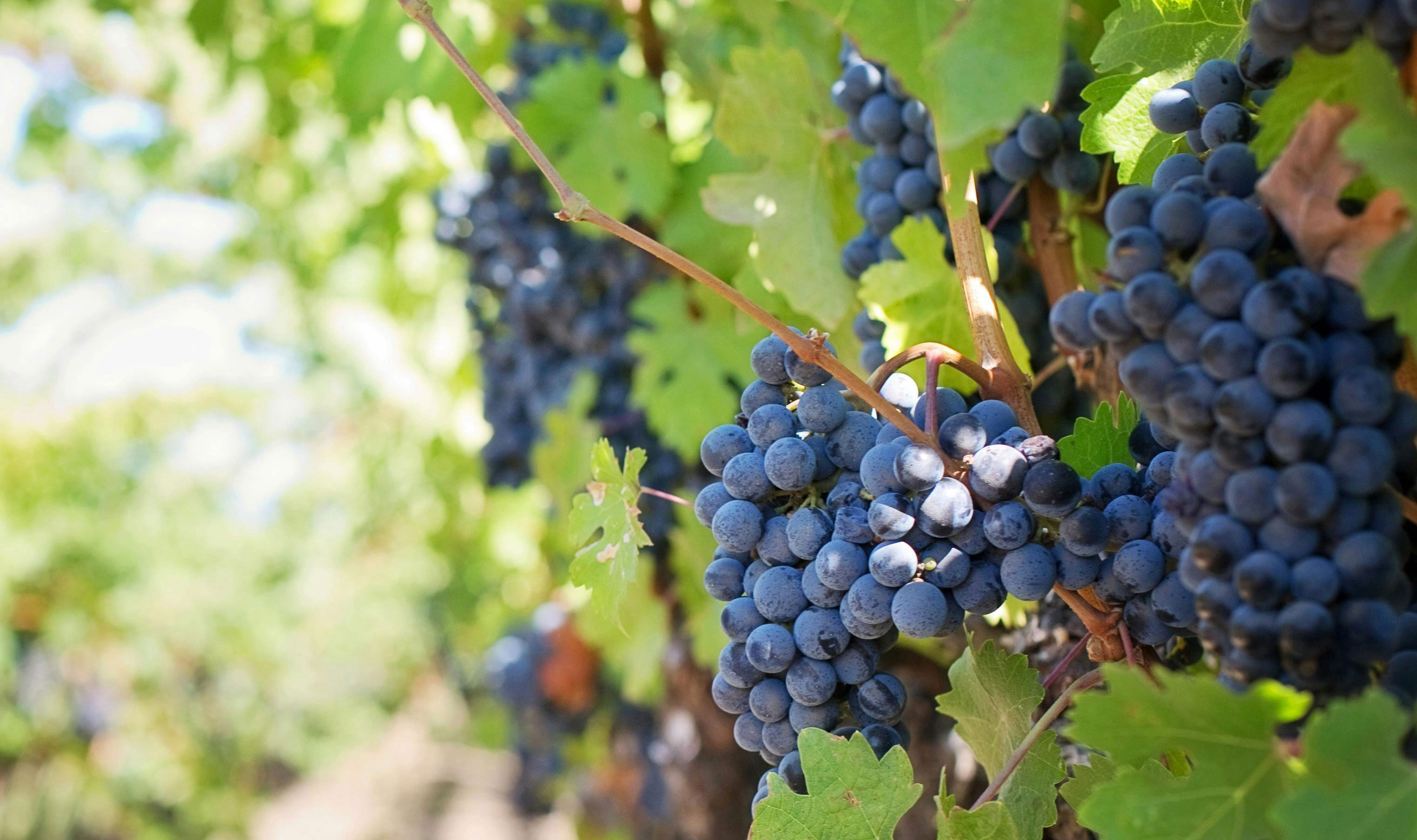
At the core of low-intervention winemaking is restraint. The process begins in the vineyard, where synthetic herbicides, pesticides, and fertilizers are replaced with organic or biodynamic methods. Healthy soil is treated as a living organism rather than an inert platform for vines. Cover crops are planted to promote biodiversity, insects are encouraged to thrive, and animals are often reintroduced to maintain balance. Harvesting is done by hand to preserve grape integrity and to ensure that only the best fruit is selected. Once the grapes reach the cellar, minimal interference continues. Fermentation relies on native yeasts already present on the grape skins rather than cultured strains. Filtration and fining are often avoided, as they can remove subtle aromas and textures. Sulfites, a common stabilizer, are used sparingly or not at all. This approach demands trust in the process, for without heavy manipulation, the wine’s path becomes less predictable. Yet it is precisely this unpredictability that gives each vintage its soul and individuality.
Soil as a Living Partner
Natural winemaking begins with the earth beneath the vines. Soil health determines not only vine strength but also the depth and nuance of flavor in the final bottle. In industrial vineyards, chemical inputs disrupt microbial life, sterilizing the environment in pursuit of uniform yields. In contrast, natural growers view soil as a living ecosystem. Compost replaces synthetic fertilizer, and microorganisms flourish, creating symbiotic relationships that feed the vines naturally. The result is terroir in its truest sense: the reflection of place in taste. Wines from living soils display remarkable complexity, as the roots interact with diverse minerals and organic matter. Rainfall patterns, elevation, and even local flora contribute to the vineyard’s character. Every bottle becomes an expression of geology and climate, captured without distortion. This emphasis on soil vitality ensures that wine remains not just a product of grapes, but a conversation between land and life itself.
Fermentation as Wild Expression
When natural winemakers speak of fermentation, they describe it as a living dialogue between grape and environment. Instead of controlling the process through cultured yeasts and strict temperature management, they allow wild fermentation to unfold naturally. This spontaneous method invites native yeasts and bacteria, carried by the air and the grape skins, to transform sugar into alcohol. The result is a dynamic fermentation that may progress unpredictably but yields remarkable depth. Each yeast strain contributes unique aromatic and textural qualities, resulting in wines that feel alive with energy. This practice embodies the philosophy of surrendering control in favor of trust. For the winemaker, the challenge is not to direct, but to observe, nurture, and intervene only when absolutely necessary. Wild fermentation mirrors the unpredictability of life, producing wines that evolve from glass to glass, day to day. They are not static creations but living organisms, constantly changing as they breathe and age.
The Beauty of Imperfection
Natural wine rejects the sterile perfection of mass-produced bottles. It embraces the unexpected, the cloudy, and the idiosyncratic. These wines may appear hazy, their flavors may shift with temperature or time, and no two vintages will ever taste exactly alike. Yet this variability is precisely what endears them to enthusiasts. It reflects honesty, the kind of transparency rarely seen in industrial beverages. To drink a natural wine is to experience the vineyard in motion, unfiltered and alive. Some wines carry faint notes of earth or funk, others burst with vibrant fruit and floral tones. The unpredictability reminds drinkers that wine is not a formula but a reflection of natural rhythms. In a world that often values uniformity, the imperfect beauty of natural wine becomes a quiet act of rebellion. It teaches patience, openness, and respect for the uncontrollable forces that shape life and taste alike.
The Revival of Old World Wisdom
Many of the techniques central to natural winemaking are drawn from centuries-old traditions. Clay amphorae, for example, have returned as vessels of choice for their ability to breathe while maintaining a stable temperature. Extended skin contact, once common in white wine production, has resurfaced to create amber or orange wines with layered textures and earthy complexity. Foot-treading, a seemingly archaic practice, allows gentle extraction without damaging grape seeds, preserving purity of flavor. Even the timing of harvest follows lunar and cosmic cycles in biodynamic systems, reflecting an ancient belief in the harmony between earth and cosmos. These practices are not acts of nostalgia, but expressions of continuity. They acknowledge that progress need not discard wisdom. The best natural winemakers are not radicals seeking novelty, but custodians preserving the intuitive knowledge of generations who understood that wine is an agricultural art form, not an industrial commodity.
Challenges of Authenticity
Despite its growing popularity, the natural wine movement faces numerous challenges. The absence of a standardized definition allows producers with varying philosophies to use the term loosely, leading to confusion among consumers. Some wines marketed as natural may rely on conventional vineyard practices or include additives, undermining the movement’s credibility. Furthermore, the minimal use of sulfites and filtration makes these wines more vulnerable to spoilage, especially during transport and storage. Critics argue that inconsistency in quality harms the reputation of natural wine, while supporters maintain that variability is part of its authenticity. Another challenge lies in scalability. Small producers often struggle to meet demand without compromising their principles. As natural wine gains attention from larger corporations, there is a growing fear that its ethos of transparency and independence may be diluted. The path forward depends on education, honesty, and shared values that prioritize integrity over marketing trends.
The Sensory Experience of Natural Wine
Drinking natural wine is a sensory adventure unlike any other. The aromas tend to be more expressive and raw, often described as untamed or alive. On the palate, the textures can range from silky to rustic, reflecting minimal processing. The flavors evolve as the wine breathes, revealing new dimensions with each moment. Some bottles may carry notes of ripe fruit and floral delicacy, while others offer hints of forest floor, herbs, or mineral depth. These sensory shifts remind drinkers that natural wine resists static categorization. It invites mindfulness, asking one to taste slowly and observe change. Even the appearance of the wine, often cloudy or deeply hued, signals its authenticity. To engage with natural wine is to participate in a dialogue with the winemaker, the vineyard, and the earth itself. It becomes not just a drink but an experience of presence, where nature and craftsmanship coexist in every sip.
From Niche to Global Movement
What began as a modest return to tradition has grown into an international phenomenon. Natural wine bars have opened in major cities, serving curious newcomers alongside seasoned enthusiasts. Sommeliers and importers have embraced these wines as symbols of authenticity, aligning with the broader cultural movement toward sustainable and transparent consumption. Millennials and younger generations, in particular, have fueled the demand, valuing ethical production and environmental awareness over brand prestige. Social media has amplified this enthusiasm, turning obscure vineyards into cult favorites. Natural wine festivals now attract thousands, creating communities that celebrate not only taste but also philosophy. The movement has redefined wine culture, shifting focus from status to story, from perfection to personality. Each bottle connects drinkers to a global network of growers who share the same purpose: to let the land express itself freely, without distortion or artifice.
The Ecological Promise
Beyond taste and culture, the natural wine movement holds profound ecological implications. By eliminating synthetic chemicals and prioritizing biodiversity, natural vineyards contribute to soil regeneration, water conservation, and carbon sequestration. The use of cover crops and compost enhances soil structure, allowing it to retain moisture and resist erosion. This sustainable approach also creates habitats for insects, birds, and microorganisms, restoring ecological balance. Many natural winemakers extend these principles beyond the vineyard, embracing renewable energy, lightweight glass bottles, and minimal packaging. The commitment to environmental stewardship resonates in an era of climate uncertainty. As consumers become more aware of the ecological cost of industrial agriculture, natural wine offers a hopeful alternative. It proves that quality and sustainability can coexist, that pleasure and responsibility need not be opposites. Each bottle becomes a quiet testament to the possibility of harmony between human culture and the living earth.
The Connection Between Wine and Identity
Natural wine carries a sense of place and personality that transcends commercial branding. It embodies the fingerprint of the vineyard, the choices of the farmer, and the rhythm of the seasons. Unlike industrial wines that aim for consistency, natural wines embrace variation as part of their charm. Each bottle tells a different story, shaped by weather, soil, and time. This individuality resonates deeply with those who seek authenticity in what they consume. For many winemakers, natural wine becomes a form of personal expression, blending agriculture with artistry. The connection between land and maker becomes tangible, reflected in the taste of the finished product. In this sense, natural wine functions as both nourishment and narrative. It reconnects modern drinkers with the agrarian roots of human culture, reminding them that every sip is part of a much larger story about identity, sustainability, and belonging.
The Future of Low-Intervention Winemaking
The future of natural and low-intervention wine is being written one harvest at a time. As more growers adopt regenerative practices, the landscape of viticulture is shifting toward resilience and respect for natural systems. Education plays a crucial role in this evolution. Schools, cooperatives, and independent organizations now teach the science of microbial life, soil care, and sensory evaluation through the lens of minimal intervention. Technology, paradoxically, also contributes to the movement’s progress. Modern tools allow growers to monitor soil health, moisture, and vine stress without chemicals, supporting informed yet gentle farming. Global collaboration continues to inspire innovation, as winemakers from diverse regions exchange ideas on how to preserve authenticity in different climates. While the movement will inevitably face commercialization pressures, its core principles of honesty, sustainability, and artistry ensure its lasting influence. Natural wine represents not just a trend but a reawakening of values that honor both nature and craft.
The Return to Harmony
The rise of natural wine and low-intervention vineyards is more than a stylistic shift; it is a cultural awakening. It reminds humanity that true luxury lies in connection, not control. Each bottle is a portrait painted by soil, weather, and time, guided by hands that respect their limits. In choosing simplicity over manipulation, natural winemakers reaffirm a truth long forgotten: that nature, when trusted, creates beauty beyond imagination. The return to harmony in the vineyard reflects a deeper desire for balance in life itself. To drink natural wine is to taste the landscape, to witness collaboration between human patience and natural rhythm. As the world searches for sustainability and authenticity, these wines offer a path forward, a reminder that progress can also mean returning to the roots, listening to the earth, and letting it speak in its own ancient, eloquent voice.