

The Sound of the Bean When Coffee Becomes a Performance
Understanding How Baristas Shape Flavor With the Precision and Sensibility of a Musician
The Rhythm Hidden in Every Extraction
Behind the counter of a café, the barista’s workspace resembles a recording studio. The grinder hums like a bassline, the espresso machine hisses in steady rhythm, and milk frothing builds crescendos of sound and texture. Yet beyond the sensory music of the environment lies another kind of harmony—the one created through control, intuition, and timing. Brewing coffee is not just a mechanical act; it is a living composition shaped by temperature, pressure, and rhythm. Each variable corresponds to an element in music. Grind size becomes tempo. Pressure translates to volume. Extraction time acts like phrasing. Just as a musician balances melody and silence, the barista balances intensity and restraint. A few seconds too long and bitterness overshadows sweetness. A few degrees too cool and acidity dominates. Within these fractions of control lies expression. The barista, much like a pianist or cellist, interprets structure through feeling, transforming beans into melody.
The Tuning of the Bean
Every coffee bean contains potential frequencies of flavor waiting to be tuned. The roaster acts as composer, establishing the score through controlled heat and timing, but it is the barista who performs it. The grind becomes the first note in this act. Too coarse, and water flows without tension, leaving a hollow cup. Too fine, and over-extraction muffles complexity. The perfect grind sings in harmony with water temperature, pressure, and brew method. Adjusting these variables is akin to tuning instruments before a concert. When done correctly, the result is resonance. Bright acidity harmonizes with caramel sweetness. Floral top notes linger like sustained chords. Every cup reflects not only precision but an understanding of sensory tuning. The barista must listen to the feedback of aroma, texture, and crema, adjusting with instinct rather than formula. In this way, tuning becomes both science and improvisation.
The Tempo of Technique
In espresso preparation, seconds matter more than minutes. The tempo of the process defines quality just as rhythm defines clarity in music. The moment water meets coffee, extraction begins a sequence of layered release. The earliest seconds yield volatile aromatics, delicate and fleeting. Midway, sweetness unfolds, balancing acidity. Toward the end, heavier compounds emerge, adding depth but risking bitterness. A skilled barista times this extraction the way a drummer controls tempo, neither rushing nor dragging. Precision tools may measure pressure and flow, but true timing requires intuition born from repetition. The body learns rhythm through practice. Pulling shots becomes choreography. Frothing milk becomes percussion. The barista’s gestures translate into visual rhythm, forming a performance witnessed through motion and sound. Each repetition reinforces the relationship between timing and taste, until craft becomes instinct, and instinct becomes artistry.
Sound and Silence in the Cup
Every great musician understands the importance of silence. It defines contrast and gives meaning to sound. In coffee, silence exists in restraint—the ability to hold back when precision has already spoken. Overcomplicating flavor through excessive technique can drown subtlety, just as overplaying can obscure melody. The finest baristas recognize when the coffee itself must lead. A well-balanced espresso needs no added embellishment beyond what the bean naturally offers. Similarly, a filter brew relies on quiet clarity rather than showmanship. The silence of the brew bar, when the noise subsides and aroma rises, becomes the equivalent of the stillness between musical phrases. It is a space for reflection, for allowing complexity to settle into balance. In that moment, coffee ceases to be routine. It becomes emotional, contemplative, and resonant in the quiet that follows the pour.
Improvisation Behind the Counter
Though recipes and ratios exist, baristas rarely follow them mechanically. Conditions shift constantly. Humidity changes grind behavior. Water chemistry alters extraction. Beans evolve with each day after roasting. The barista adapts, improvising to maintain consistency. This adaptability mirrors jazz performance. A musician listens to the environment, responding to subtle shifts in tone or timing, while maintaining coherence with the piece. The barista listens too—through hiss, aroma, and texture. Even the resistance of the portafilter handle communicates feedback. To improvise is not to guess, but to sense. Each adjustment represents awareness, not departure from discipline. Improvisation becomes the art of interpreting constraints creatively. Within these fluid boundaries, mastery reveals itself not as control but as dialogue between craft and chaos. Every cup poured under changing conditions is an original solo, composed in real time and forgotten once tasted.
Milk as Harmony and Counterpoint
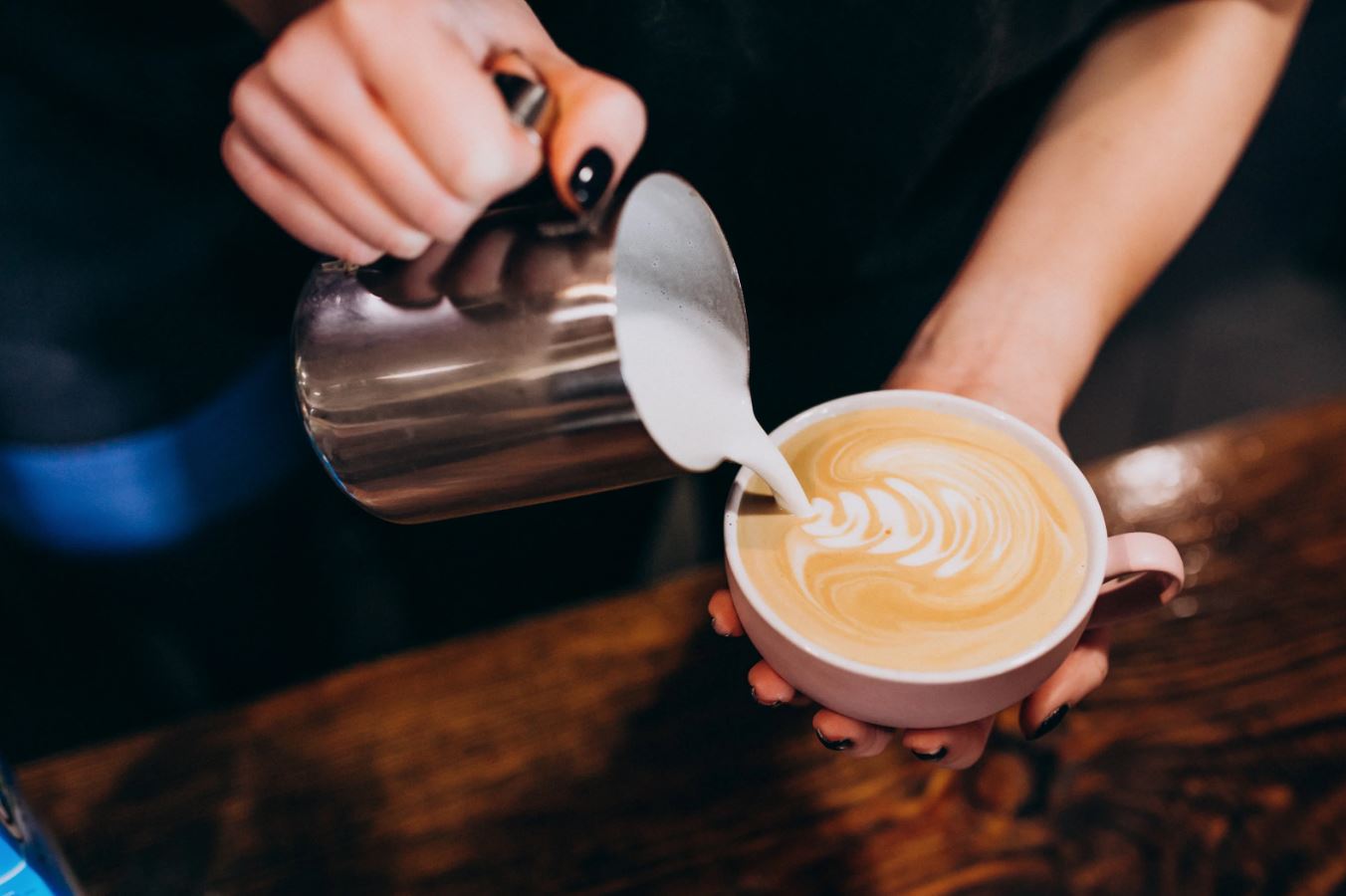
If espresso represents melody, milk provides harmony. The relationship between the two defines balance, much like the interplay between voice and instrument. When milk is steamed, proteins unfold, sugars caramelize, and air integrates into microfoam. The barista must listen closely—literally—to the sound of the milk pitcher. The shift from harsh screech to soft whisper signals proper aeration. This transformation parallels the modulation of pitch in music. Too much heat and the harmony burns, leaving bitterness and texture collapse. Too little, and the result lacks structure. Perfectly steamed milk envelops espresso with smooth resonance, softening its intensity while preserving clarity. Pouring the milk requires grace, creating patterns that resemble notes written in cream. Each pour tells a visual story of balance between movement and stillness. When done correctly, cappuccino art becomes not decoration but visible rhythm, captured mid-performance.
The Barista’s Ear
Professional baristas develop a kind of sensory synesthesia, where taste and sound overlap. The machine’s hiss becomes part of their internal clock, guiding when to stop or adjust. The grinder’s tone reveals freshness or density of beans. Even the soft bubbling of crema during extraction indicates balance. This auditory sensitivity shapes decision-making faster than visual cues alone. Much like sound engineers detect imperfections before listeners do, baristas perceive imbalance before it reaches the cup. Their listening extends beyond sound to include texture and visual movement. Foam density, crema color, and the swirl of liquid signal completion. Every cue is part of a hidden score, and the barista is both performer and conductor. Through practice, they develop a deep familiarity with the sounds of precision, turning auditory feedback into fluent language. Each hiss, click, and gurgle becomes part of their intuition’s lexicon.
The Aesthetics of Timing
Time defines coffee’s character as clearly as tempo defines rhythm in a composition. A pour-over that finishes too quickly loses depth. One that drags too long becomes heavy. Baristas treat timing as a sculptural process, shaving seconds to expose clarity. In manual brewing, time is shaped not only by flow rate but by motion. The circular movement of the pour influences extraction uniformity, just as a conductor’s baton influences tempo. The grace of these gestures translates directly into taste. A steady hand produces harmony, while inconsistency creates imbalance. Timing extends beyond brewing to service itself. The interval between grinding and extraction affects aroma intensity. The speed of serving influences warmth and mouthfeel. Each second, whether in preparation or presentation, contributes to rhythm. The barista choreographs these moments with care, ensuring that the experience unfolds like a well-paced performance rather than a mechanical process.
Emotion in the Cup
Music and coffee both convey emotion without words. The first sip of a balanced espresso elicits the same satisfaction as the resolution of a chord. The aroma of freshly ground beans can evoke nostalgia as powerfully as melody. Baristas understand this emotional dimension intuitively. They tailor experiences not only through precision but empathy. A rushed morning order may call for strong, focused espresso that wakes the senses. A quiet afternoon might invite a slower brew, gentle and aromatic. This sensitivity mirrors how musicians read audiences, adjusting energy and tone to fit atmosphere. The connection between maker and drinker transcends transaction. When executed with care, coffee becomes emotional translation, where flavor and temperature replace notes and rhythm. The barista interprets not just recipe but feeling, transforming mood into taste the way a musician transforms silence into sound.
Collaboration as Ensemble Work
No performance exists in isolation. Behind each cup of coffee stands collaboration between farmer, roaster, and barista. Each contributes to the composition. The farmer nurtures the raw material, defining the timbre of the bean through altitude, soil, and cultivation. The roaster translates that raw potential into tone, shaping acidity, sweetness, and aroma. The barista interprets those tones, giving them voice in liquid form. Like members of an orchestra, each relies on the other to complete the composition. When coordination succeeds, the result feels effortless, even though it is the product of immense attention. The consumer becomes the final listener in this chain, completing the feedback loop. The success of the ensemble is measured not in applause but in the quiet satisfaction of the drinker who experiences unity between effort and outcome. Coffee, like music, only fulfills its purpose when shared.
The Language of Consistency and Variance
Musicians rehearse to achieve consistency but still allow room for subtle variation that keeps performances alive. Baristas pursue the same balance. A recipe may dictate ratio and timing, but no two extractions are identical. Humidity, water composition, or a few grams’ difference in grind weight alter nuance. Rather than fighting this fluidity, skilled baristas embrace it, striving for controlled variation. Consistency ensures reliability, while slight differences introduce character. The interplay between repetition and uniqueness defines both crafts. In this way, coffee becomes a series of live performances rather than identical reproductions. Each cup is a recording of the moment it was made—a reflection of conditions, energy, and attention. This constant renewal keeps the ritual vital. Even perfection must breathe, or it becomes static. The beauty lies not in sameness but in evolution through practice.
The Harmony Between Taste and Sound
To watch a barista at work is to witness music translated into movement and flavor. Every variable becomes part of a composition: water temperature as pitch, pressure as rhythm, aroma as resonance. The process embodies harmony between precision and feeling, order and improvisation. Like musicians, baristas listen, adapt, and express. They transform something universal—coffee—into something personal and fleeting. Each cup is a single performance that cannot be replicated exactly, carrying the energy of the moment it was created. In the end, both crafts share the same truth. Perfection is not a static goal but an ongoing conversation between discipline and emotion. The result lingers, not just in taste but in memory, reminding us that both music and coffee speak most clearly when interpreted through the heart.