

The Living Spark That Shapes the Character of Beer
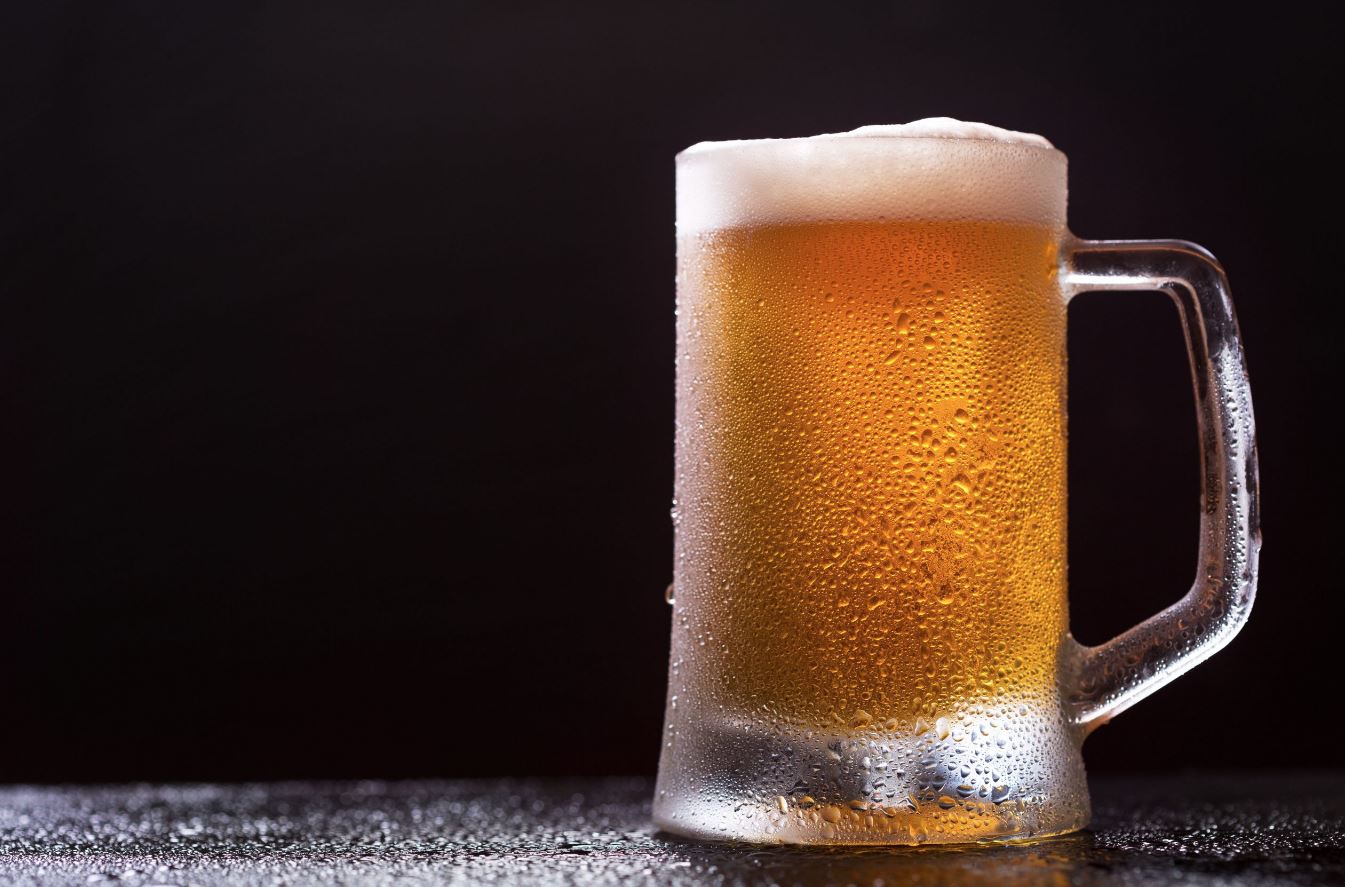
The Effervescence Gives Beer Its Voice, Texture, and Distinct Personality
The Pulse Beneath the Surface
When a glass of beer catches the light, the motion inside it tells a story. Thousands of tiny bubbles rise through liquid amber, carrying whispers of aroma and sound that define more than flavor. They create vitality. This motion, unseen before the pour, is carbonation’s signature, the subtle force that gives beer identity. Without it, every style from pilsner to stout would lose its rhythm. What appears as mere fizz is the result of chemistry shaped by intention, patience, and craft. Carbon dioxide interacts with every element in beer, from malt sweetness to hop bitterness, transforming static taste into sensation. It is not an accessory but the heartbeat of the drink itself, animating stillness into expression.
Fermentation’s Silent Architect
Carbonation begins in the fermenter, where yeast consumes sugar and exhales carbon dioxide. In early brewing history, this process was unpredictable. Some batches remained flat, others erupted with foam. Over centuries, brewers learned to control this gas exchange, mastering pressure and timing to capture the perfect level of effervescence. Each yeast strain influences the volume and behavior of bubbles differently, giving rise to the diversity of textures we now associate with beer styles. Certain Belgian yeasts produce delicate sparkle, while English strains favor soft, creamy texture. This variation, once accidental, is now deliberate artistry. The modern brewer treats carbonation as a sculpting tool, an element that can make a beer seem crisp, velvety, sharp, or mellow, depending on its purpose.
The Dialogue Between Gas and Grain
Every component of beer responds differently to carbonation. The bubbles lift aromatic oils from hops, intensifying their brightness and creating a burst of citrus or pine at the top of the glass. Malt sweetness, on the other hand, softens under pressure, as carbon dioxide converts into carbonic acid and slightly adjusts pH. The result is a refreshing bite that balances sweetness without overpowering it. Even bitterness changes its shape when exposed to carbonation, evolving from blunt sharpness into crisp clarity. The brewer’s challenge lies in harmonizing these relationships. Too much gas can distort flavor, while too little leaves the beer feeling lifeless. Achieving equilibrium requires technical precision and sensory intuition, making carbonation both a science and an instinctive craft.
Regional Temperaments in Bubbled Form
Across the brewing world, carbonation levels mirror cultural habits and climate. In England, traditional cask ales rest gently, offering smooth body with subdued sparkle, designed for extended conversation at cellar temperature. German brewers favor balanced effervescence, giving lagers their renowned crispness and drinkability. Belgian brews often reach effervescent heights, with vigorous foam and champagne-like character. Meanwhile, American craft brewers experiment with pressure and bubble density to create unexpected mouthfeels that push style boundaries. Each region’s approach reflects its relationship with time, temperature, and texture. A glass of beer is not only a beverage but a reflection of place, its bubbles carrying the echo of centuries of regional taste.
Natural Conditioning Versus Engineered Pressure
There are two primary routes to carbonation, each revealing a different philosophy. Natural conditioning, often used by traditional and craft brewers, allows yeast to complete fermentation inside sealed containers, producing soft and layered carbonation. This method yields personality, as no two bottles behave identically. Forced carbonation, in contrast, introduces gas directly under pressure, producing efficiency and consistency ideal for commercial scale. The former feels alive, dynamic, and evolving; the latter offers precision and stability. Both methods require discipline. The choice depends not on superiority but on artistic intention, whether the brewer seeks spontaneity or structure. In this decision, carbonation becomes a statement of identity as clear as flavor profile or color.
Foam as a Visual Signature
The foam that forms when beer is poured is the visible language of carbonation. It captures attention before aroma or taste. The thickness, density, and longevity of the head reveal much about the craftsmanship behind the brew. Tiny, tightly packed bubbles suggest careful fermentation control, while larger, fleeting ones may indicate haste or imbalance. Foam serves a purpose beyond beauty, it insulates the liquid, retains scent, and frames each sip with texture. For certain styles, such as hefeweizen or stout, foam defines the drinking experience entirely, cushioning the palate with a luxurious softness. It is not simply decoration but the surface expression of the invisible work below. Foam is memory made visible, a fleeting mark of the brewer’s touch.
How Carbonation Shapes Perception
The way bubbles interact with the palate determines how flavor unfolds. High carbonation produces a lively, sparkling sensation, ideal for crisp beers that emphasize refreshment. Lower carbonation allows malty richness and roasted notes to linger, suitable for darker or higher-alcohol styles. The tingling of bubbles also enhances aroma through retronasal perception, the process by which scent rises into the nose as one swallows. In this way, carbonation acts as both physical and psychological bridge, linking aroma and taste. It wakes the senses without overwhelming them. The drinker may not consciously think of the gas, yet it silently defines whether a beer feels light or substantial, sharp or smooth, fleeting or contemplative.
The Role of Temperature and Serving Method
Temperature determines how carbonation behaves. Cold beer traps gas, retaining effervescence, while warmer temperatures encourage release. This balance dictates not only texture but aroma intensity. Too cold, and bubbles cling to liquid, muting scent. Too warm, and gas escapes too rapidly, flattening the experience. Serving method further influences perception. A gentle pour preserves gas in the body of the beer, while a vigorous pour promotes foam and releases aromatic compounds. Even the shape of the glass matters. Narrow vessels concentrate aroma, while wide ones encourage release. Every decision in serving reflects respect for carbonation’s complexity. Each bubble, born of chemistry, becomes part of a larger choreography that bridges science with ritual.
The Psychology of Motion and Sound
Carbonation is not only felt and tasted, it is also heard and seen. The hiss when opening a bottle, the crackle of foam as it settles, the shimmer of bubbles rising through amber liquid, all evoke anticipation. These sensory cues signal freshness and vitality. Humans are instinctively drawn to movement and sound in liquid, associating it with life and purity. Brewers understand this, designing carbonation to engage multiple senses at once. A well-carbonated beer does not merely quench thirst; it performs. The interplay between sound, sight, and taste creates a subtle emotional response, transforming a drink into an experience that engages memory and mood.
Innovation in Effervescence
Modern brewing continues to experiment with carbonation beyond tradition. Some breweries integrate mixed-gas systems, blending carbon dioxide with nitrogen or argon to alter bubble texture and visual effect. Others explore spontaneous fermentation or refermentation with wild yeast, producing natural effervescence that evolves over time. A few even experiment with temperature-sensitive carbonation levels, where gas intensity shifts during storage or serving. These innovations blur the line between beverage and performance art. The goal is not simply novelty but sensory storytelling. In contemporary brewing, carbonation has become as expressive as malt or hop variety. Its control demands understanding of microbiology, engineering, and artistry in equal measure.
The Connection Between Effervescence and Emotion
There is a reason that sparkling drinks symbolize celebration. The energy of carbonation mirrors human emotion, it rises, bursts, and renews. In beer, bubbles represent transformation, the conversion of grain, water, and yeast into something alive. They remind the drinker that creation continues even after brewing ends, as pressure and release give life to aroma and sensation. The bubbles that gather at the top of a pint are temporary, yet their presence transforms the moment. Every sip carries movement, reminding us that flavor is not static but dynamic. Carbonation is the element that makes beer breathe, whispering that impermanence is part of its beauty.
The Essence of Movement in Every Glass
To understand beer fully is to recognize that carbonation is not an addition, it is the defining rhythm of its existence. It influences how the drink feels, smells, looks, and even sounds. Without it, the language of beer would fall silent. Carbonation embodies motion, energy, and balance, turning simple ingredients into something spirited and alive. Each rising bubble carries the memory of fermentation, the work of yeast, and the precision of craft. Whether captured naturally or infused by design, this movement is the soul of the beverage. The next time a beer sparkles before you, it is worth remembering that what you are witnessing is not just gas escaping, but the living essence of brewing itself.