

The Aroma of Connection
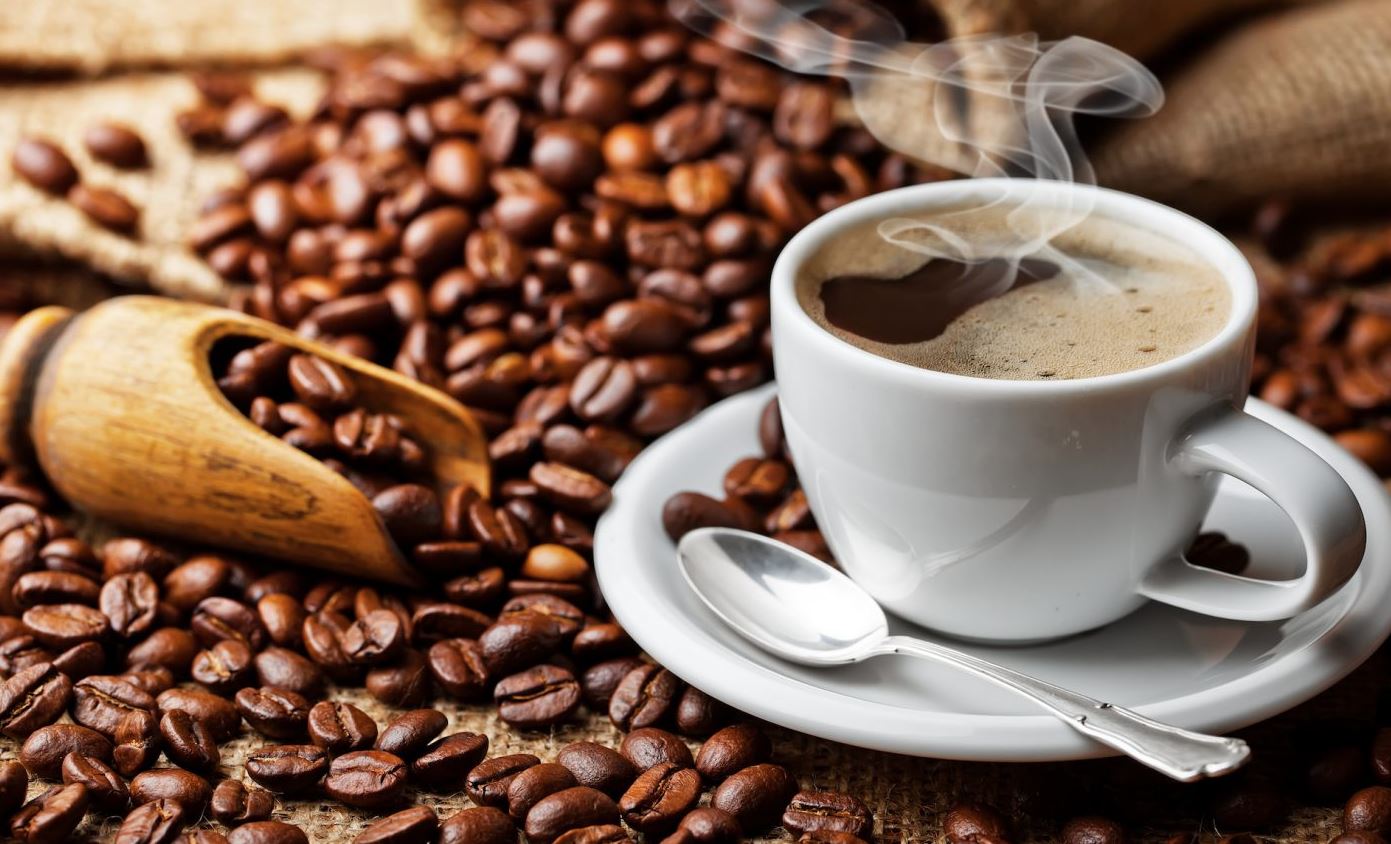
How Coffee Became Humanity’s Universal Ritual
The First Brewed Spark of Civilization
Long before the world measured time in hours and minutes, there was the rhythm of sunrise and firelight. In the highlands of Ethiopia, legend tells of a curious goat herder named Kaldi who noticed his animals dancing after eating bright red cherries. That moment, whether myth or truth, would eventually awaken a global obsession that reshaped trade, culture, and conversation itself. Coffee began as a curiosity, a simple preparation of crushed cherries steeped in hot water, yet it carried within it the potential to unite strangers and spark ideas.
When coffee traveled from Ethiopia to Yemen, it was cultivated near monastic communities that used it to extend their prayers through the night. The drink’s energy was not only physical but spiritual, as it bridged the distance between reflection and endurance. From those early days, coffee carried more than flavor. It carried purpose. Every steaming cup contained the memory of hands that harvested, roasted, and poured. It became a shared act, a form of participation in the daily rhythm of life.
When Coffee Reached the World’s Imagination
The port of Mocha in Yemen transformed coffee into a commodity that reached the shores of Arabia, Persia, and eventually Europe. By the seventeenth century, coffeehouses were no longer just places for drinking. They became the intellectual engines of their time. In London, they were called “penny universities” because one coin granted access to debate, literature, and political discourse. In Paris, they were the backdrop for revolutions of thought and taste.
Every civilization that embraced coffee found a way to adapt it to its temperament. The Ottoman Empire elevated it to ceremony, serving it with cardamom and conversation. Italy transformed it into art through espresso, where the act of extraction became a performance of precision. Latin America turned its soil into the heartbeat of the global coffee economy, while in North America the beverage became both a morning ritual and a companion to industry. Each cup told a new story of adaptation and identity.
The Craft of the Roast and the Science of Flavor
Modern coffee culture has become an intricate fusion of chemistry, art, and sensory awareness. Roasters speak of their beans the way vintners describe their grapes. The balance of time, temperature, and airflow defines whether the result will carry notes of chocolate, citrus, or earth. Light roasts tend to highlight origin characteristics, while darker roasts emphasize caramelization and richness. Between these extremes lies the infinite spectrum that defines coffee’s personality.
A barista, in many ways, is both an artist and an engineer. The grind size determines how fast water extracts soluble compounds from the bean. The temperature defines whether acids become vibrant or muted. Every variable is an opportunity to either reveal or conceal a flavor’s true nature. The craft is not simply about consistency, but about expression. Every café, whether in Nairobi or Tokyo, speaks a dialect of coffee shaped by its tools, its beans, and its audience.
Third Wave Reverence and the Return to the Source
In recent decades, the third wave movement has redefined what it means to drink coffee. No longer is the cup judged solely by its strength or sweetness. Now, it is an exploration of origin, terroir, and ethics. Farmers have become storytellers, their names printed on bags that travel across oceans. Transparency has replaced anonymity. This return to the source is not nostalgia. It is recognition that coffee, like culture, thrives through connection.
Direct trade models have encouraged collaboration rather than competition. Roasters visit farms to learn about harvesting practices and to share roasting techniques. Baristas educate customers on how altitude, soil composition, and fermentation influence flavor. Even consumers have grown more mindful, brewing at home with scales, thermometers, and respect. The modern cup of coffee is not just a beverage. It is an ecosystem of relationships that binds continents together through shared appreciation.
The Psychology of the Brew
Beyond chemistry and geography lies something more intimate: the emotional resonance of coffee. A single sip can define the beginning of a day, or mark the pause between moments. It is a liquid reflection of anticipation, comfort, or nostalgia. Psychologists often note that coffee rituals create predictable structures that reduce stress and heighten focus. The warmth of the cup against the hands is as grounding as the aroma that fills the air.
What makes coffee unique is how it transforms solitude into company. A person sitting alone with a cup is rarely lonely. They are engaged in a silent dialogue between thought and sensation. In every culture, this ritual exists in some form, whether it is Turkish cezve, Italian moka pot, or Japanese siphon. Each one captures the same human need to slow time and savor awareness.
Where the Future of Coffee Leads
The journey of coffee continues, shaped by innovation and responsibility. Sustainability has become the new frontier, as growers confront the realities of climate change and seek new altitudes and varieties to preserve their crops. Science is helping decode the genetics of coffee plants to enhance resilience and flavor. At the same time, creative experimentation is redefining preparation, from nitrogen-infused cold brew to fermentation-inspired blends that echo the precision of winemaking.
Yet beneath the technology and trend lies something enduring. The act of brewing, pouring, and sipping remains unchanged in its essence. It is an intimate ceremony that connects the individual to the world through warmth, scent, and taste. BrewCulture celebrates that shared heartbeat, the ancient ritual that still whispers softly every morning across the globe. The steam rises, the aroma unfolds, and once again, humanity begins its day together.