
The Symphony in a Glass Discovering the World Through the Art of Tasting Wine
An Invitation to Engage Every Sense in the Journey of Understanding and Appreciating Wine Beyond Labels and Legends
The Awakening of the Senses
To taste wine deeply is to embark on a sensory expedition that transcends simple drinking. It is an act of presence, curiosity, and interpretation. Wine tasting engages sight, smell, touch, and taste, creating a dialogue between perception and memory. For centuries, people have gathered around tables, vineyards, and cellars to decode the liquid stories poured into their glasses. Each swirl reveals a piece of geography, each scent a trace of climate, and each sip an expression of craftsmanship. The sensory explorer approaches wine not as a critic but as a listener, eager to uncover what the grape and the earth are whispering. With practice, the language of flavor becomes familiar, and tasting evolves into a form of mindfulness, where time slows and every nuance becomes meaningful. The journey begins not with expertise but with attention, where curiosity is the key to unlocking a world contained within a single glass.
The Role of Sight in First Impressions
Before the nose or palate becomes involved, the eyes tell their own story. The color of a wine can reveal its age, style, and even the environment in which it was born. Young white wines often glimmer with shades of pale gold or green, while mature ones develop amber or honey hues. Reds range from bright ruby to deep garnet, fading toward brick tones as they age. A swirl of the glass exposes the wine’s viscosity, those slow-moving “legs” that hint at alcohol or sugar content. Clarity speaks of precision in winemaking, while a hazy appearance may indicate minimal filtration or a natural approach. Even the rim variation, where color lightens at the edge, can suggest maturity. Sight prepares the mind for expectation, priming the senses to interpret what follows. To observe carefully is to begin understanding, for in the visual beauty of wine lies a prelude to its character and complexity.
The Language of Aroma
The sense of smell is the gateway to wine’s identity. Aromas carry emotion, memory, and geography in ways no other sense can replicate. When the glass is swirled, volatile compounds rise, forming an aromatic symphony that defines the wine’s personality. Primary aromas come directly from the grape variety, floral, fruity, or herbal. Secondary aromas emerge from fermentation, adding notes of yeast, bread, or butter. Tertiary aromas develop through aging, layering nuances of leather, earth, smoke, or spice. The sensory explorer learns to recognize families of scent rather than isolated notes, connecting impressions to experience. A Sauvignon Blanc might recall freshly cut grass or gooseberries, while a Syrah evokes pepper and blackberries. The goal is not perfection but discovery. The act of smelling is both analytical and poetic, a merging of chemistry and imagination. Each inhalation becomes a step closer to understanding the wine’s story and the land it represents.
The Palate as Interpreter
When wine touches the tongue, perception shifts from observation to participation. The mouth becomes a canvas where flavor, texture, and structure interact. Taste begins with sweetness, acidity, bitterness, and saltiness, but evolves into balance and rhythm. Acidity brings freshness, sweetness provides richness, tannins add texture, and alcohol gives warmth. Together, they form the architecture of a wine. A well-structured wine feels harmonious, where no element overwhelms another. The palate also detects body, the sensation of weight that differentiates a light Pinot Noir from a full-bodied Cabernet Sauvignon. As the wine lingers, its finish, the flavor that remains after swallowing, reveals quality and depth. A short finish fades quickly, while a long one unfolds gradually, echoing with complexity. Tasting is not about judging but about listening to these sensations, identifying how they interact, and recognizing that no two wines, like no two people, express themselves in quite the same way.
The Role of Texture and Mouthfeel
Texture is often overlooked, yet it shapes how we perceive wine as much as flavor does. The tactile sensations in the mouth, known as mouthfeel, contribute to pleasure and perception. Some wines glide like silk, while others grip the palate with fine tannins or sparkle with acidity. Sparkling wines bring effervescence that invigorates, while aged reds develop velvety softness. Even temperature influences texture; a chilled white may feel crisp and sharp, while a room-temperature red exudes warmth and roundness. Oak aging can lend creaminess or subtle grain, while fermentation in stainless steel preserves precision and bite. The sensory explorer learns to appreciate texture as a conversation between grape variety, winemaking technique, and time. To sense texture is to understand the craftsmanship behind the wine’s composition. It is a tactile reminder that tasting is not only about flavor but also about feeling, where the palate becomes a stage for balance and artistry.
The Influence of Terroir
Every wine carries the imprint of its origin, a concept known as terroir. It encompasses soil, climate, topography, and even the cultural practices of the vineyard. The same grape grown in different regions can yield dramatically different results. A Chardonnay from Chablis reflects limestone purity and minerality, while one from California exudes richness and tropical warmth. Terroir is more than geography, it is the relationship between nature and human interpretation. It gives wine its sense of place, connecting the drinker to the land where it was born. The sensory explorer learns to read terroir through flavor: the volcanic tension in Sicilian reds, the saline breath of coastal whites, or the earthy whisper of Burgundian Pinot Noir. To taste with awareness of terroir is to taste the planet itself, filtered through vine and season. It is a form of geography one can experience through the senses, an edible map drawn in liquid form.
The Ritual of Tasting
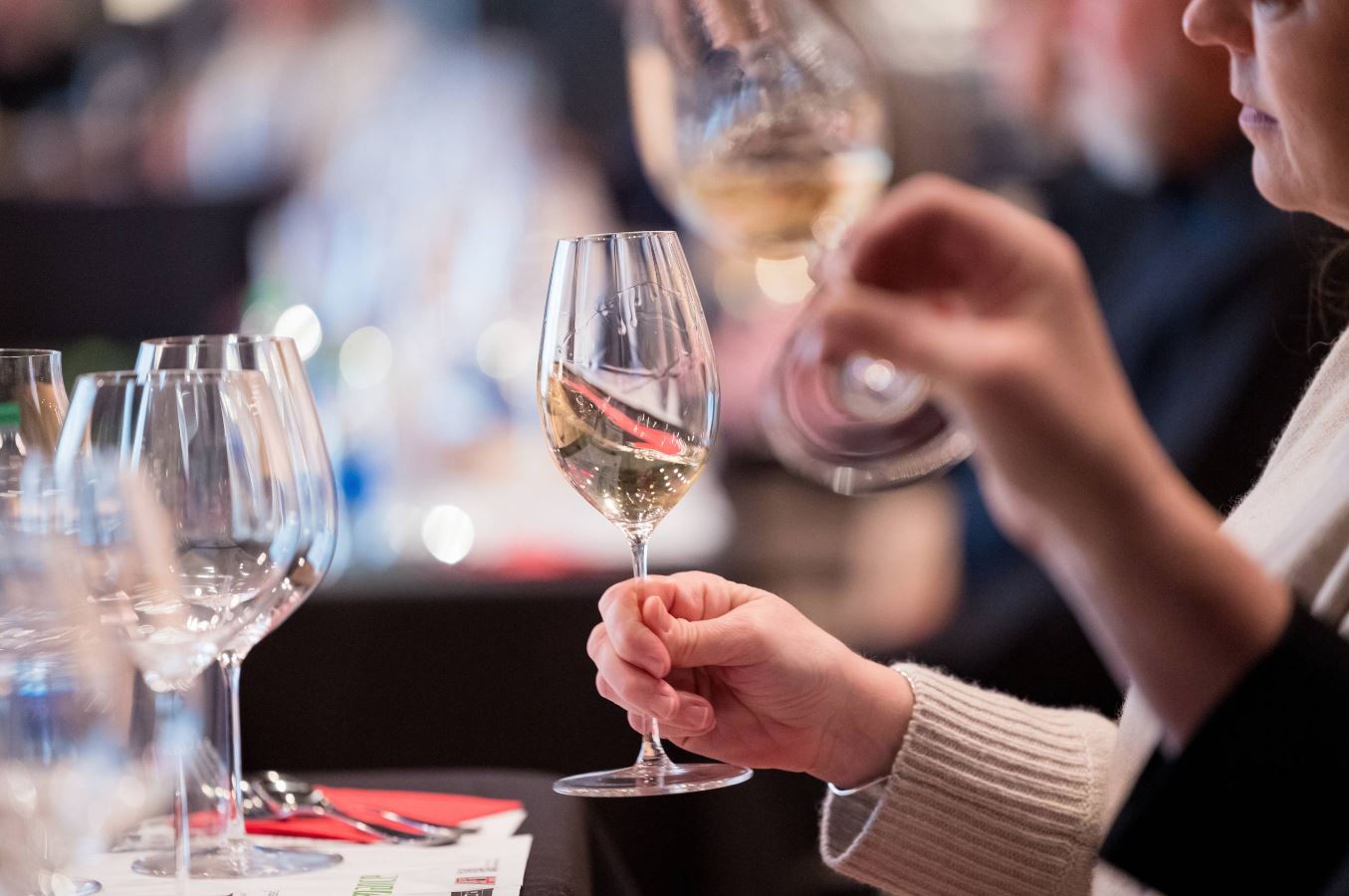
Wine tasting, at its best, is not hurried but deliberate. The ritual follows a simple yet meaningful sequence: observe, swirl, smell, sip, and reflect. Each step enhances awareness, building anticipation and understanding. The glass becomes both lens and vessel, guiding perception. The swirl oxygenates the wine, awakening its aromas. The sniff captures its personality. The sip reveals balance, texture, and story. Between sips, silence allows reflection, where memory and sensation intertwine. Serious tasters may take notes, but the essence lies in presence rather than record. The ritual becomes meditative, transforming tasting into a dialogue with time, nature, and human craft. Whether in a quiet cellar, a crowded tasting room, or one’s own kitchen, the process remains the same: a mindful engagement with something living. Through ritual, tasting moves beyond consumption, becoming an act of appreciation that connects the physical with the emotional, the personal with the universal.
The Psychology of Perception
Wine tasting is as much about the mind as it is about the senses. Our perceptions are shaped by memory, expectation, and emotion. The same wine can taste different depending on context, lighting, company, or mood. A rainy evening might make a bold red feel comforting, while the same wine under bright summer light could seem heavy. Studies show that even color influences taste perception; people often describe white wine dyed red with the vocabulary of reds. This interplay of psychology and sensation makes tasting both fascinating and elusive. The sensory explorer acknowledges these biases, learning to separate external influence from intrinsic quality. Yet subjectivity is not a flaw but a feature. It reminds us that wine is not static but interactive, responding to who we are in each moment. To explore wine is to explore ourselves, discovering how experience, culture, and feeling shape the way we taste the world.
The Connection Between Food and Wine
Pairing wine with food transforms both elements into a unified sensory experience. The goal is not to overpower but to complement, creating harmony between flavor and texture. Acidity in wine cuts through richness, sweetness balances spice, and tannins soften with protein. A crisp Sauvignon Blanc may elevate seafood with citrus brightness, while an earthy Pinot Noir deepens the savoriness of mushroom dishes. The sensory explorer treats pairing as an art of intuition rather than strict rules. Regional traditions often provide guidance, local wines evolved alongside local cuisine for good reason. Italian Chianti finds its balance in tomato-based dishes, and French Sancerre feels complete beside goat cheese from the Loire Valley. Modern gastronomy invites experimentation, blending cultural influences to craft unexpected matches. The dialogue between food and wine is one of reciprocity, where each enhances the other’s voice, revealing layers of flavor that neither could express alone.
The Modern Culture of Wine Exploration
Today’s wine culture is more accessible than ever, yet more complex than at any point in history. The sensory explorer navigates a world of endless choice, from natural wines crafted with minimal intervention to experimental blends that defy classification. Social media, global trade, and digital tastings have transformed how people learn and share experiences. What once required travel to vineyards can now unfold virtually, though the spirit of curiosity remains unchanged. Education plays a vital role in deepening appreciation, yet humility remains the key to discovery. Even experts continue learning, for wine is a living subject that evolves with every harvest. The rise of small producers and biodynamic winemaking has reconnected drinkers to authenticity and ecology. Modern exploration is not about prestige or rarity but about genuine engagement, listening to what the wine communicates, understanding its journey, and celebrating its individuality in a world that thrives on diversity.
The Sensory Explorer’s Mindset
Approaching wine with the mindset of a sensory explorer means embracing openness and curiosity. It is not about memorizing tasting notes but about noticing details and patterns. Every glass becomes a question: Where did this come from? Who made it? What story does it tell? The explorer learns through contrast, comparing varietals, vintages, and regions to sharpen awareness. This mindset values personal experience over perfection. Mistakes become lessons, and surprises become joys. Exploration also means respecting diversity, recognizing that no single style defines greatness. A humble village wine can be as moving as a grand cru if tasted with intention. The explorer’s journey is infinite, guided by the senses but enriched by emotion and reflection. Through tasting, one not only understands wine but also practices mindfulness, presence, and appreciation for impermanence, for every bottle is a fleeting moment captured and shared in time.
The Journey Continues in Every Pour
Wine tasting is not a destination but a lifelong journey through sensation and story. Each glass offers a chance to rediscover the world through flavor, texture, and aroma. It teaches patience, observation, and gratitude. Whether savoring a rare vintage or an everyday table wine, the experience holds equal value when approached with awareness. The sensory explorer finds beauty not only in prestige but in connection, the link between soil and soul, between maker and drinker. Wine becomes more than a beverage; it becomes a form of art that invites participation. Its complexity mirrors the complexity of life itself, rewarding those who listen with care. In the quiet swirl of a glass, the world reveals itself in colors, scents, and tastes that cannot be repeated. The journey continues in every pour, reminding us that exploration, like wine, is an act of living fully and tasting deeply.