

The Garden Within the Glass How Botanicals Are Transforming the Craft Beer Imagination
The Botanical Renaissance That Blurs the Line Between Brewing, Herbalism, and Culinary Artistry
The Roots of Botanical Brewing
Long before modern hops defined the taste of beer, brewers relied on a diverse palette of herbs, flowers, and roots to flavor their creations. Medieval alewives and monastic brewers used plants such as yarrow, mugwort, juniper, and rosemary to balance sweetness, enhance preservation, and lend complexity. This mixture of herbs, known as gruit, dominated European brewing traditions until hops gained prominence for their reliable bitterness and antimicrobial properties. Yet, as craft brewers today seek innovation and authenticity, many are revisiting these ancient practices with renewed curiosity. The modern botanical movement in brewing is not about replicating the past but reinterpreting it. By embracing herbs, spices, and edible flowers, contemporary brewers expand the sensory landscape of beer beyond the predictable. Each botanical ingredient introduces new layers of aroma, color, and emotion, bridging the gap between beverage and botanical craft. The resurgence of botanical brewing signals a return to creativity rooted in nature’s abundance.
The Allure of Nature’s Complexity
Plants contain a world of chemistry that mirrors the complexity of fermentation itself. Their essential oils, alkaloids, and polyphenols contribute bitterness, sweetness, aroma, and even texture. Brewers now explore how these natural compounds interact with yeast metabolism and malt character. Lavender imparts delicate floral notes that dance with fruity esters in Belgian ales, while lemongrass enhances the crisp citrus snap of a summer saison. Coriander, cardamom, and chamomile provide depth to wheat beers, and juniper berries infuse rustic ales with a resinous bite reminiscent of pine forests. This fascination with nature’s complexity is not merely aesthetic. It reflects a deeper philosophy that brewing can be both art and ecosystem. Each botanical becomes a storyteller, translating soil, climate, and harvest into sensory expression. The result is beer that feels alive and connected to the world around it, a reminder that flavor begins not in the brewery but in the garden and field.
From Hop Dominance to Botanical Diversity
For decades, the hop revolution defined craft beer identity. Double IPAs, pale ales, and hazy styles celebrated hop aroma with near obsession. Yet saturation led many drinkers and brewers to seek alternatives. The pendulum began to swing toward balance and novelty, inviting herbs and spices to share the stage. Instead of overpowering bitterness, brewers began exploring layered harmony. In botanical beers, hops often play supporting roles or disappear entirely, replaced by a constellation of ingredients that challenge convention. Peppermint leaves bring freshness, sage offers savory warmth, and hibiscus lends color and tart fruitiness. Even ingredients once deemed incompatible, like basil or thyme, now find refined use in experimental lagers and sours. The shift away from hop exclusivity marks a turning point in brewing philosophy. It opens a new frontier where flavor is not bound by tradition but guided by imagination, encouraging a deeper connection between brewer and nature’s pantry.
The Collaboration Between Brewer and Botanist
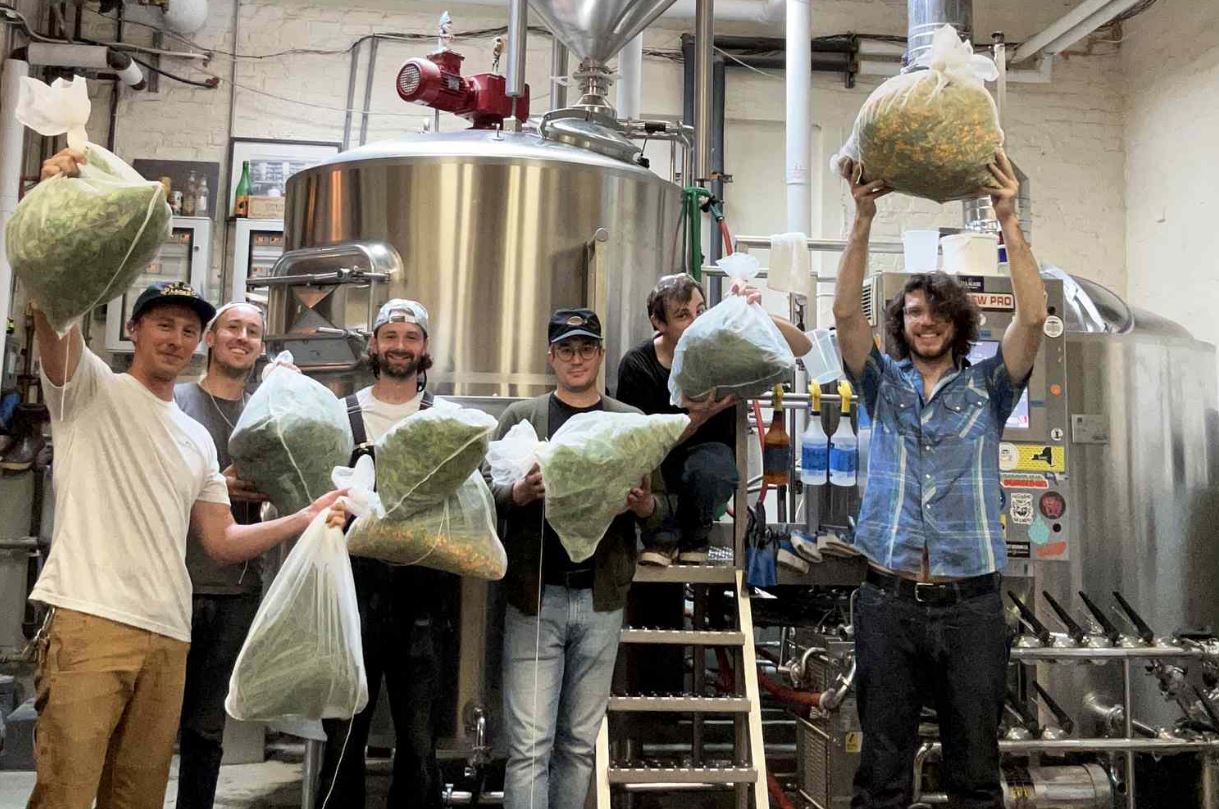
Modern brewing increasingly resembles a dialogue between science and sensory exploration. Brewers work with botanists, foragers, and herbalists to understand the chemical and cultural dimensions of plants. Each herb or flower carries a story, its medicinal use, mythological association, and regional identity. This knowledge enriches not only recipes but also the narrative that surrounds each beer. A brewer incorporating elderflower, for example, may study its traditional role in rural European tonics and liqueurs. The result is a beverage that feels both familiar and new, grounded in history yet infused with creative interpretation. Some breweries maintain their own gardens or collaborate with local farms, ensuring freshness and sustainability. This partnership between craft and cultivation blurs industry boundaries. The brewery becomes a laboratory of living flavors, and the brewer becomes both artist and botanist. In this collaboration, beer transcends its industrial origins and reclaims its identity as an agricultural art form.
Signature Botanicals in Modern Brewing
Each botanical contributes unique sensory qualities, and brewers now curate combinations as carefully as perfumers blend fragrances. Hibiscus adds vivid crimson hues and tart complexity, pairing beautifully with wheat and sour ales. Lemongrass introduces zesty brightness that complements tropical hops or saison yeast. Coriander provides citrus and spice notes that elevate Belgian-style beers. Elderflower imparts a honeyed floral aroma ideal for springtime releases. Juniper berries, long used in Nordic brewing, lend earthy pine character perfect for winter ales. Ginger contributes warmth and liveliness, bridging sweetness and spice. Chamomile offers soothing floral depth that enhances honey-forward beers. The possibilities are endless, and each choice reshapes perception. Some brewers even experiment with unexpected additions like dandelion root, nettle, or cacao husk, transforming conventional profiles into sensory discoveries. Through experimentation, botanicals reveal how versatile beer can be, adapting to season, mood, and creativity with infinite variation.
The Influence of Seasonality
Seasonality has returned as a guiding principle for many botanical brewers. Just as chefs build menus around seasonal produce, brewers craft beers that reflect the rhythms of nature. Spring may bring herbal saisons infused with foraged nettles or lilac blossoms, while summer highlights refreshing infusions of mint, lemon balm, and cucumber. Autumn inspires deeper flavors like sage, cinnamon, and roasted herbs that pair with malt-forward profiles. Winter calls for comforting blends of rosemary, juniper, and warming spices. The practice reconnects beer with its agricultural roots, reminding consumers that brewing is an expression of the earth’s cycles. Seasonal brewing also fosters community involvement, as local growers and foragers supply ingredients at peak freshness. This approach transforms brewing from year-round production into a celebration of impermanence. Each release becomes a fleeting reflection of time and place, capturing the sensory spirit of the season in liquid form.
Reviving Forgotten Traditions
In rediscovering botanicals, modern brewers also revive forgotten traditions that predate industrial uniformity. Historical recipes reveal a wealth of regional diversity, from Scandinavian juniper ales to British heather beers and Belgian spiced gruits. These ancient methods relied on intuition rather than measurement, using herbs to balance sweetness, preserve freshness, and communicate regional character. Contemporary craft brewers reinterpret these traditions through modern precision, combining historical authenticity with current understanding of flavor chemistry. By resurrecting ingredients such as bog myrtle or sweet gale, they bridge the gap between the past and present. This revival is not nostalgia but evolution. It challenges the idea that beer must conform to narrow style guidelines and reminds drinkers that brewing was once as varied as the landscapes that produced it. The new wave of botanical experimentation reclaims that diversity, turning each glass into a living archive of brewing history.
Botanicals in Sour and Wild Fermentations
Few brewing styles showcase botanicals as vividly as sour and wild beers. The unpredictable nature of mixed fermentation harmonizes with the complexity of herbs and flowers. Wild yeasts interact with botanical compounds to create layers of flavor that evolve over time. A saison infused with lavender or rosehips develops gentle floral overtones, while a barrel-aged sour conditioned on elderflower may evoke the character of sparkling wine. Some brewers age wild ales in oak barrels with herbs like thyme, chamomile, or lemon verbena, allowing slow extraction and integration. The resulting beers defy simple categorization, occupying a sensory space between beer, cider, and mead. In these creations, botanicals do not dominate but converse with fermentation. They lend nuance rather than novelty, deepening the bond between craft and nature. Each bottle becomes a living experiment, aging gracefully as the interplay between yeast and herb continues to evolve.
The Intersection of Brewing and Culinary Arts
The botanical revolution in beer mirrors broader culinary trends that value authenticity, terroir, and sensory exploration. Chefs and brewers increasingly collaborate to design pairings and co-fermented projects that blur boundaries between kitchen and brewhouse. Herbs once confined to cuisine, basil, thyme, lemongrass, find new life in lagers and ales. This culinary approach invites balance, restraint, and intention. Instead of using botanicals as gimmicks, brewers treat them as flavor components, considering how they interact with malt sweetness, hop aroma, and yeast expression. The result is a generation of beers that appeal to both connoisseurs and casual drinkers seeking sophistication without pretense. These collaborations celebrate craftsmanship as a shared language. Both chef and brewer understand the pursuit of harmony in flavor and texture. The table and the tap become extensions of the same creative impulse: to turn ingredients into sensory storytelling through thoughtful, imaginative composition.
Designing Botanical Balance
Balancing botanicals in beer demands patience, testing, and precision. Too much intensity can overwhelm the palate, while too little leaves the character indistinct. Brewers often begin by creating teas or tinctures of herbs, adding them in measured doses to pilot batches. Timing also matters. Adding botanicals during the boil extracts bitterness and earthy tones, while steeping them post-fermentation captures aroma and freshness. Some ingredients benefit from maceration in alcohol before blending, which stabilizes volatile oils and enhances shelf life. Each variable, quantity, temperature, timing, acts as a brushstroke in the brewer’s palette. Achieving equilibrium is as much about sensory intuition as it is about calculation. The most successful botanical beers feel integrated rather than infused, where malt, yeast, and herb form a seamless dialogue. Through experimentation, brewers learn that restraint often creates more depth than abundance. True mastery lies not in intensity but in harmony.
Consumer Curiosity and Cultural Shift
The rise of botanical beers reflects broader changes in consumer values. Drinkers now seek authenticity, sustainability, and sensory adventure over mass production and predictability. They are drawn to stories, where ingredients come from, who grew them, and how they were chosen. Botanical beers satisfy this curiosity by offering transparency and connection. Labels often list specific herbs, harvest dates, or foraging locations, inviting consumers into the creative process. Tasting a lavender saison or chamomile wheat beer becomes an act of exploration, a way to engage with craftsmanship and place. This shift has inspired small breweries to specialize entirely in herbal brewing, forming communities around ecological awareness and artistic expression. As the movement grows, it may redefine what beer means culturally: not only a drink for relaxation or celebration but also a vessel for storytelling, memory, and environmental respect.
The New Horizon of Botanical Brewing
Botanical beer stands at the intersection of innovation and heritage, inviting the brewing world to look both backward and forward. It honors ancient practices while embracing contemporary creativity. In this new landscape, beer is no longer limited to grains and hops but expanded into a sensory spectrum defined by color, aroma, and seasonality. Every herb, flower, and root offers a chance to express individuality. For the modern brewer, the garden has become an extension of the brewhouse. For the drinker, each pour offers a taste of nature’s diversity, captured in liquid form. The future of craft beer may not lie in higher bitterness or stronger alcohol but in nuance and connection. Through botanicals, brewing finds its poetic voice again, a voice that speaks softly of fields, forests, and flowers, reminding us that true innovation often begins where the wild things grow.