
The Harmony of the Palate A Sommelier’s Guide to the Dance Between Cheese and Wine
The Art of Balance, Texture, and Taste in the Timeless Relationship Between Vineyard and Creamery
The Ancient Origins of an Enduring Partnership
The relationship between cheese and wine is older than written history, a pairing born from the same rural landscapes that sustained early civilizations. Both began as ways to preserve perishable ingredients, transforming milk and grapes into lasting nourishment through the quiet miracle of fermentation. Over centuries, these two crafts evolved side by side, reflecting the soil, climate, and culture of each region. Farmers and vintners learned through experience that the foods produced within the same environment often complemented each other naturally. A rustic goat cheese from the Loire Valley found harmony with the bright acidity of local Sauvignon Blanc, while the rich blue cheeses of the Alps matched the robust reds of mountain vineyards. This bond between land, food, and wine became the foundation of pairing traditions that endure today. When we explore the connection between cheese and wine, we are not merely matching flavors; we are participating in a dialogue that has continued for millennia, linking people, place, and palate.
The Science of Flavor and Texture
Successful pairing begins with understanding the science of taste. Cheese and wine share fundamental flavor compounds derived from fermentation, creating bridges of compatibility. Fat and protein from cheese mellow the acidity and tannin in wine, while alcohol and acid cleanse the palate, preparing it for another bite. The interaction is chemical as much as sensory. Soft cheeses coat the mouth, muting certain flavors, while firm cheeses break apart easily, revealing salt crystals that enhance sweetness and fruit notes in wine. The balance of salt, fat, and acidity defines the relationship. Too much salt can overwhelm delicate wines, while too much tannin can make cheese taste metallic. Texture plays a crucial role as well. Creamy cheeses benefit from sparkling or high-acid wines that cut through richness, while aged, crumbly varieties need wines with structure and warmth to balance their density. A sommelier approaches these interactions not through strict rules, but through harmony, seeking equilibrium between contrast and complement.
Understanding the Categories of Cheese
To pair effectively, one must first understand the spectrum of cheese styles. Fresh cheeses, such as mozzarella, burrata, or chèvre, are delicate and tangy, often best with crisp, unoaked white wines that echo their brightness. Bloomy rind cheeses like brie and camembert offer buttery, mushroom-like nuances, calling for wines with gentle acidity and fruit character, such as Chardonnay or Champagne. Washed rind cheeses, known for their pungent aromas and savory depth, demand wines with bold personalities and subtle sweetness, such as Gewürztraminer or an aged white Rhône. Hard cheeses like Parmigiano-Reggiano, Comté, or aged cheddar reveal nutty and caramelized notes that align beautifully with structured reds or fortified wines. Blue cheeses, perhaps the most challenging to pair, thrive with sweetness, finding balance in Sauternes, Port, or even late-harvest Riesling. By categorizing cheese through moisture, texture, and flavor intensity, the sommelier creates a map of potential harmonies across the vast landscape of viticulture.
The Role of Acidity and Tannin
Acidity and tannin are the foundation stones of wine structure, and their interplay with cheese defines the success of a pairing. Acidity refreshes the palate, providing contrast to the creamy or fatty textures of cheese. This is why crisp whites or sparkling wines often perform better with cheese than heavy reds. Tannin, on the other hand, binds with proteins and fats, smoothing its own rough edges. When balanced properly, a tannic red like Cabernet Sauvignon or Syrah can create a velvety harmony with firm aged cheeses such as Gruyère or Manchego. However, if the wine’s tannins are too strong, they can clash with salt and accentuate bitterness. The sommelier’s task is to match the structure of wine with the density of cheese, ensuring that neither dominates. A high-acid wine can elevate light cheeses, while a mellow, tannin-rich red can ground intense flavors. It is a dance of restraint, where precision and sensitivity yield the most rewarding results.
Regional Pairings and the Rule of Place
One of the simplest and most effective principles in pairing cheese and wine is to look to geography. Throughout history, regional foods and wines evolved in tandem, shaped by the same environment and cultural traditions. This phenomenon, known as terroir harmony, ensures natural compatibility. In France, the goat cheeses of the Loire Valley align perfectly with the region’s Sauvignon Blancs, whose citrus and herbaceous notes complement the cheese’s tang. In Italy, the bold, salty character of Pecorino Romano pairs effortlessly with Chianti, a red wine known for its acidity and rustic charm. Alpine cheeses such as Raclette and Gruyère find kinship with mountain wines like Chasselas or Pinot Noir from Switzerland, both shaped by cool climates and mineral soils. In Spain, the nutty elegance of Manchego meets its match in Rioja or Tempranillo. These traditional pairings endure because they are reflections of place, the flavor of the landscape captured through both pasture and vineyard.
The Art of Contrast and Complement
At the core of every memorable pairing lies the principle of balance. Sommeliers often describe two pathways to achieving it: contrast and complement. Complementary pairings emphasize shared qualities, such as a buttery Chardonnay with a creamy triple-cream brie, where texture and richness align. Contrasting pairings, on the other hand, create excitement by balancing opposites. A sharp goat cheese paired with a fruity rosé produces a refreshing tension between acidity and sweetness. A pungent blue cheese matched with dessert wine demonstrates how salt and sugar can elevate each other in surprising ways. Contrast awakens the senses, while complement soothes them. The best experiences often alternate between both, allowing the palate to travel across a spectrum of sensations. A skilled sommelier weaves these elements together like musical notes, creating a tasting journey that moves from light to bold, from crisp to luscious, culminating in a crescendo of harmony.
The Importance of Temperature and Serving Order
Even the finest pairing can falter without proper presentation. Temperature profoundly influences flavor perception. Cheese served too cold becomes firm and muted, concealing its aroma and texture, while wine served too warm loses balance and freshness. The ideal approach is to bring cheeses to room temperature at least thirty minutes before serving and to chill white and sparkling wines slightly while keeping reds just below room temperature. The order of service also matters. A tasting should progress from mild to intense, both in cheese and wine. Starting with fresh cheeses and light wines prepares the palate for bolder flavors to come. As the progression moves toward aged or strong cheeses, the wines can grow richer and more complex. Finishing with a dessert wine or fortified style alongside blue cheese or aged Gouda provides a satisfying close. The sommelier’s craft lies not only in choosing the right pairings but in orchestrating their presentation with care and rhythm.
Modern Pairing Trends and Experimentation
While tradition forms the backbone of cheese and wine pairing, contemporary sommeliers are expanding the boundaries through innovation and cross-cultural influence. Natural and biodynamic wines, with their raw energy and minimal intervention, bring new possibilities to the table. Their unfiltered textures and earthy aromas resonate with artisanal cheeses that share similar philosophies of authenticity. Pet-nat sparkling wines pair beautifully with fresh or lactic cheeses, offering vibrant acidity and playful bubbles. Orange wines, made through skin-contact fermentation, introduce tannins and spice that harmonize with washed rind or aged varieties. Sommeliers are also exploring global influences, pairing sake with soft cheeses or using fruit wines and mead to complement complex textures. Experimentation has become a hallmark of the modern tasting experience. Rather than rigid rules, the focus is on exploration, storytelling, and sensory curiosity. The sommelier becomes not just a guide but a creative interpreter of flavor, bridging tradition and innovation with every pour.
The Social Dimension of Pairing
Cheese and wine share a unique social power. They invite conversation, connection, and celebration. From intimate gatherings to grand tastings, their presence transforms an ordinary moment into a shared experience. The ritual of pairing encourages mindfulness and appreciation for craftsmanship. Each sip and bite becomes an act of discovery, linking people across cultures and histories. Sommeliers understand that the emotional aspect of pairing is as vital as the technical one. The right combination can evoke nostalgia, comfort, or excitement. A creamy cheese alongside a crisp white wine might recall a summer picnic, while an aged cheddar with a deep red might conjure warmth and intimacy. In this way, pairing transcends the sensory to become something human and communal. It reminds us that wine and cheese are not merely products but living expressions of artistry and tradition meant to be enjoyed together, with laughter and conversation flowing as freely as the wine itself.
Building the Perfect Cheese and Wine Board
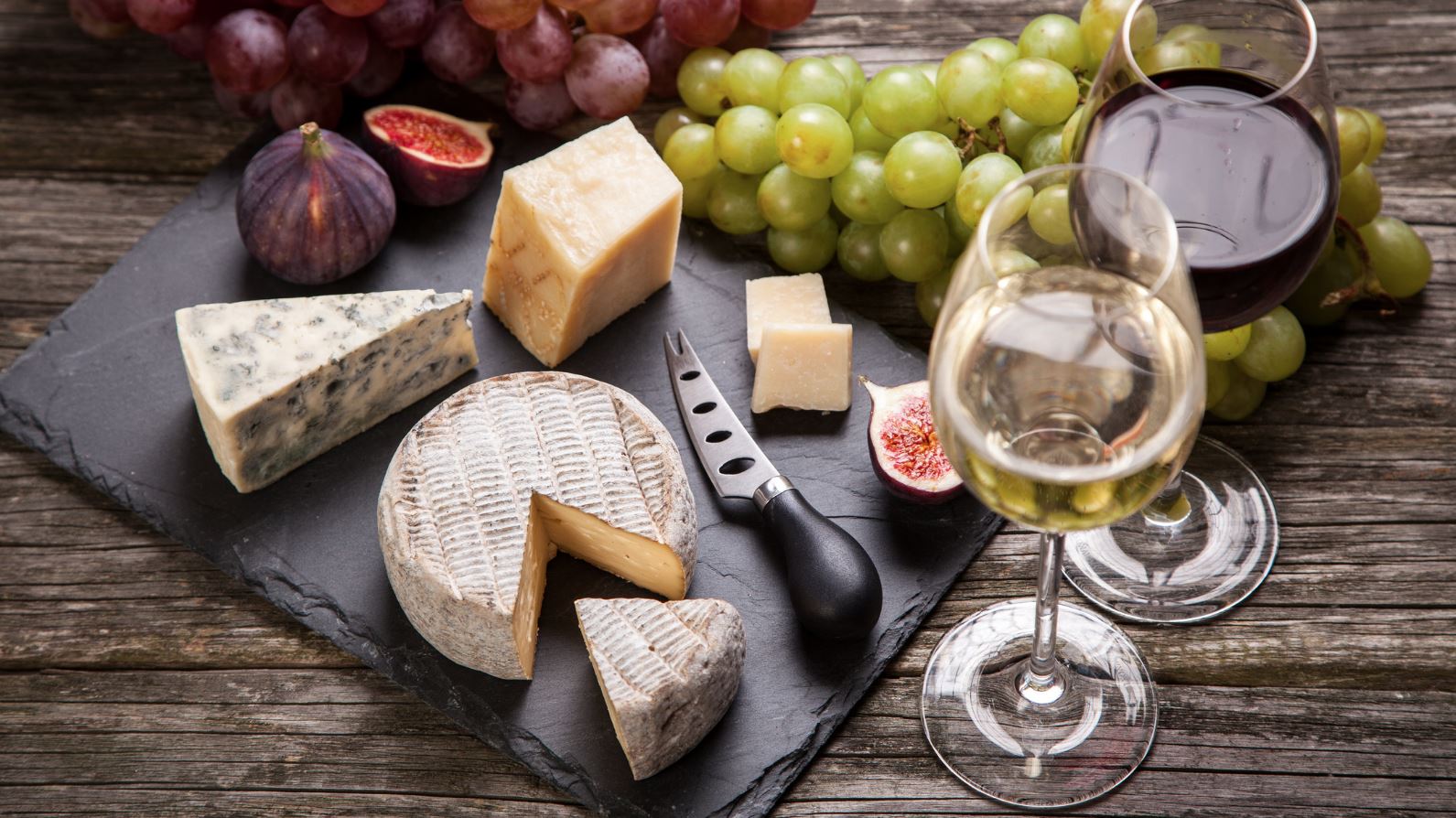
Creating a balanced cheese and wine board is both an art and a reflection of hospitality. A well-composed selection should showcase diversity in texture, flavor, and origin. A typical board might include a fresh cheese for brightness, a soft bloomy rind for creaminess, a semi-hard option for nuttiness, and a blue for intensity. To complement these, select wines that cover a similar range. A sparkling or crisp white can open the experience, followed by a light red, then a richer full-bodied red, and finally a sweet dessert wine. Accompaniments like nuts, fruit, honey, and bread serve to cleanse and refresh the palate between tastings. The presentation should invite exploration without overwhelming the senses. Sommeliers often recommend guiding guests from delicate to bold, allowing each pairing to reveal its story. The board becomes a canvas, where every element contributes to a harmonious whole, uniting visual appeal with sensory delight.
Cheese and Wine Across Cultures
Though often associated with Europe, the art of pairing cheese and wine has found resonance worldwide. In the Americas, local artisans reinterpret old-world styles using regional ingredients, creating fresh dialogues between terroirs. In South Africa and Australia, innovative winemakers pair sharp local cheeses with dynamic new varietals, blending tradition and experimentation. Even in regions without a strong cheese heritage, such as parts of Asia, pairing culture is growing, with sommeliers introducing soft or mild cheeses alongside aromatic white wines or fruit-forward reds. This globalization of pairing reflects the adaptability of both cheese and wine. They serve as cultural ambassadors, connecting distant lands through shared craftsmanship. As boundaries dissolve, new pairings emerge, celebrating diversity and imagination. What remains constant is the universal pursuit of balance and pleasure, proving that the language of flavor needs no translation. Wherever vineyards and dairies coexist, the dialogue between cheese and wine continues to evolve with grace and curiosity.
The Role of the Sommelier
A sommelier approaches pairing as both scientist and artist. Their expertise lies not in memorizing rules but in understanding relationships. They analyze acidity, fat, salt, and texture with precision, yet they also sense mood, occasion, and intention. A sommelier adapts pairings to context, a lively brunch, a formal dinner, or a quiet evening tasting. They consider how lighting, temperature, and company affect perception. The ultimate goal is not perfection but harmony, where each element enhances the other without domination. Sommeliers often describe successful pairings as moments of silence, when guests pause to savor and reflect. These moments justify the years of study and intuition required to master the craft. Beyond knowledge, a sommelier embodies hospitality, creating experiences that elevate everyday pleasure into art. Their work reminds us that pairing is not just technical skill but emotional intelligence, a celebration of human connection through taste, time, and tradition.
The Eternal Conversation Between Cream and Vine
The pairing of cheese and wine is more than a culinary exercise. It is a dialogue between two living traditions that continue to evolve yet remain rooted in the same soil of craftsmanship and care. Every successful pairing speaks of balance, respect, and discovery. From the first sip of crisp Sauvignon Blanc against the tang of goat cheese to the last sweet drop of Port beside a crumbly blue, each moment reveals a harmony shaped by centuries of wisdom and passion. The sommelier’s art lies in preserving this dialogue, guiding it forward while honoring its history. To pair cheese and wine like a sommelier is to listen to that conversation, to taste the landscape, and to recognize that beauty often resides not in perfection, but in the delicate balance between contrast and unity. The vine and the cream will always speak to one another, and in their union, they remind us why flavor is a language of its own.