

The Living Alchemist Inside Every Pint The Transformative Power of Yeast in Brewing
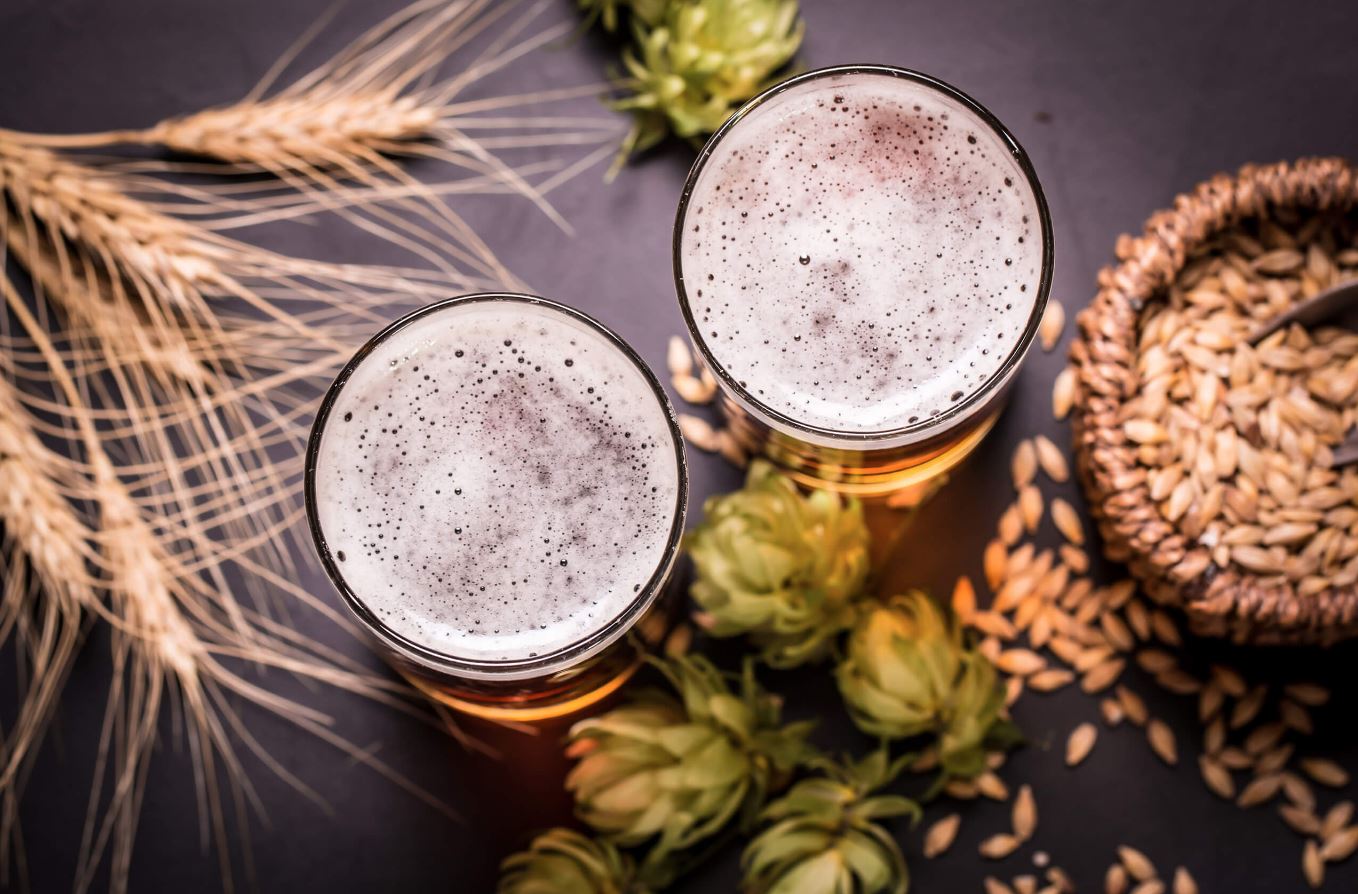
The Invisible Artisan That Shapes Flavor, Texture, and Identity Across Every Style of Beer
The Unseen Architect of Brewing
Every great beer begins with water, malt, and hops, yet none of these ingredients can bring life to the brew without the smallest participant of all: yeast. This single-celled organism is the heartbeat of fermentation, converting sugars into alcohol, carbon dioxide, and a constellation of flavors that define every style from crisp lagers to complex saisons. To many brewers, yeast is more than a biological tool, it is a collaborator, a living artist that interprets ingredients into expression. Though often invisible, yeast dictates aroma, texture, and even the personality of the final pour. It decides whether a beer will be dry or sweet, clean or funky, bright or earthy. In its simplicity lies remarkable sophistication. To understand yeast is to understand the soul of beer, for it is this humble organism that transforms humble grain and water into a beverage that carries both science and spirit in every glass.
Fermentation The Sacred Process of Transformation
At its core, fermentation is an act of controlled chaos. When yeast meets wort, the sugar-rich liquid derived from malted barley, a chain reaction begins that turns potential into presence. The yeast consumes sugars such as glucose, maltose, and fructose, producing ethanol and carbon dioxide as byproducts. Yet beyond this chemical simplicity lies a complex symphony of secondary metabolites, esters, phenols, and acids, that craft the sensory experience of beer. The precise temperature, oxygen level, and nutrient content determine how yeast behaves. Too much heat, and fermentation races uncontrollably, creating off-flavors. Too little oxygen, and the yeast struggles to complete its work. The brewer’s role is that of conductor, guiding the microscopic orchestra toward balance. Each yeast strain has its own personality, capable of producing fruity notes of banana or pear, spicy hints of clove or pepper, or the clean neutrality prized in modern lagers. The artistry of brewing lies in harnessing these differences with precision and respect.
The Two Great Families of Yeast
Yeast in brewing falls into two broad categories: ale yeast and lager yeast. Ale yeast, known scientifically as Saccharomyces cerevisiae, thrives in warmer temperatures and performs top fermentation, meaning it rises toward the surface during activity. This strain is celebrated for its expressive nature, generating vivid aromatics and complex flavors. It dominates traditional European ales such as British bitters, Belgian dubbels, and American IPAs. Lager yeast, Saccharomyces pastorianus, works more slowly at cooler temperatures and settles near the bottom of the tank. The result is a cleaner, crisper beer with subtle nuances rather than bold statements. Lagers such as Pilsners and Helles beers owe their clarity and smoothness to this patient organism. Although both families share a common ancestry, their evolutionary divergence has allowed brewers to create a universe of styles from the same foundation. The distinction between ale and lager represents not a rivalry but a spectrum of expression defined by temperature, time, and yeast’s genetic temperament.
The Historical Evolution of Yeast in Brewing
For most of human history, brewers worked with yeast without knowing it existed. Ancient Sumerians and Egyptians brewed beer using natural fermentation, relying on wild yeasts floating in the air or clinging to vessels. Their brews were unpredictable but beloved, forming part of daily life and ritual. It was not until the seventeenth century that scientists began observing yeast under microscopes, and not until the nineteenth century that Louis Pasteur identified it as a living organism responsible for fermentation. This discovery revolutionized brewing. Brewers could now isolate specific strains, ensuring consistency and quality. Yeast cultivation became a cornerstone of modern brewing science, giving rise to regional traditions. German brewers refined cold fermentation into the crisp lagers we know today, while Belgian monks nurtured unique yeasts that produced spicy, fruity ales. From mystery to mastery, yeast evolved from unseen magic to deliberate art, shaping both scientific understanding and cultural identity in the world of beer.
The Flavor Palette of Yeast
While hops and malt often receive credit for a beer’s character, yeast contributes the most profound influence on flavor. Esters created during fermentation can evoke ripe fruit, while phenols add clove, pepper, or smoky qualities. Some yeasts emphasize malt sweetness, while others dry the beer to champagne-like crispness. In Belgian styles, yeast is the storyteller, producing bold and unpredictable notes that range from floral to rustic. In contrast, the restrained yeasts of German lagers prioritize clarity and balance. The intensity of these flavors depends on fermentation conditions. High temperatures encourage fruity esters, while cooler fermentation preserves subtlety. Even the pitch rate, the amount of yeast introduced to the wort, can change the sensory outcome. Too little yeast results in sluggish fermentation and undesirable byproducts, while too much suppresses complexity. The brewer must navigate this delicate balance with experience and intuition. Every yeast strain carries a potential palette of flavors, waiting to be expressed through patient guidance and precise technique.
The Rise of Wild and Spontaneous Fermentation
In recent decades, craft brewers have rediscovered the beauty of untamed yeast. Instead of relying solely on cultivated strains, some have turned to spontaneous fermentation, where wild yeasts and bacteria from the surrounding environment transform the wort. This practice, rooted in ancient brewing traditions, creates beers of remarkable individuality. Belgian lambics and gueuzes are prime examples, aged in wooden barrels where native microbes contribute layers of funk, acidity, and depth. American brewers, inspired by this old-world approach, have developed their own interpretations, using local yeasts captured from fruit skins, flowers, or even the air of the brewhouse. These wild ales challenge the industrial notion of uniformity, celebrating unpredictability as a form of authenticity. Each batch becomes a portrait of place, capturing the microbiome of its environment. In this way, yeast once again bridges nature and craftsmanship, reminding us that fermentation is both science and serendipity, an elegant conversation between brewer and earth.
The Science of Yeast Management
Modern brewing demands meticulous control over yeast health and performance. Before each fermentation, yeast must be analyzed for vitality, viability, and contamination. Healthy yeast cells reproduce rapidly and convert sugars efficiently, while stressed cells can produce sulfur compounds, diacetyl, or other unwanted flavors. Temperature regulation is critical, as even a few degrees can shift the flavor profile dramatically. Oxygenation during the initial phase ensures strong growth, but once fermentation begins, oxygen must be excluded to prevent oxidation. After fermentation, many breweries harvest and reuse yeast for subsequent batches, maintaining a living culture that evolves over time. Laboratory propagation allows for consistent results, while cryogenic storage preserves genetic integrity. Yet even with all these advancements, yeast remains an unpredictable partner. Subtle environmental variations or changes in malt composition can alter its behavior. Successful brewers learn to listen to their yeast, observing its rhythms and adapting their techniques accordingly. Mastery arises not from control alone but from collaboration.
Hybrid Yeasts and the Future of Brewing Innovation
In the age of experimentation, brewers and microbiologists are pushing the boundaries of yeast genetics. Hybrid yeasts, created through selective breeding or natural fusion, combine traits from different species to achieve unique results. Some hybrids ferment at lower temperatures while producing ale-like aromas, blurring the line between traditional categories. Others enhance attenuation, reduce alcohol production, or increase tolerance to heat and acidity. These innovations enable brewers to explore new frontiers in flavor and sustainability. Non-traditional strains such as Brettanomyces, often associated with funky or tart profiles, have found a home in modern craft breweries seeking distinctiveness. Scientists are also investigating genetically modified yeasts that can produce hop-like aromas without hops themselves, potentially reducing environmental impact. As these discoveries expand, the role of yeast continues to evolve from fermenter to flavor designer. The future of brewing may lie not in new ingredients but in deeper understanding of the living organisms that already shape our most beloved drinks.
Regional Expression and Cultural Identity
Yeast reflects not only biology but also geography and tradition. Each brewing culture has developed its own relationship with this microorganism, shaping its national and regional identity. In Belgium, farmhouse brewers passed down yeast through generations, often in open fermenters that encouraged local microbes to join the mix. In Germany, strict purity laws led to careful selection of yeast strains that produced clean, consistent beers. In the British Isles, ale yeasts became part of the pub culture, producing mild yet expressive bitters and porters. In Japan and the United States, modern craft brewers blend influences, cultivating hybrid strains that combine European precision with experimental flair. The yeast’s behavior can even become a marker of place, a kind of microbial terroir that defines a region’s brewing character. Whether spontaneous or cultivated, these strains embody cultural memory, translating centuries of craftsmanship into sensory experience. Through yeast, the local becomes global, and every pint tells a story of shared heritage and evolution.
Yeast’s Role in Mouthfeel and Texture
Beyond aroma and flavor, yeast profoundly influences the tactile qualities of beer. During fermentation, it produces glycerol and proteins that contribute to body and smoothness. Certain yeasts accentuate a creamy mouthfeel, while others yield a drier, more effervescent finish. Residual yeast left in bottle-conditioned beers continues to evolve flavor and carbonation long after packaging, offering a living product that changes with time. Wheat beers, known for their cloudiness and softness, owe their distinctive texture to suspended yeast. In contrast, filtered lagers achieve clarity by removing yeast after fermentation, emphasizing crisp refreshment. Some styles, such as hazy IPAs, embrace yeast haze as a visual and sensory element, enhancing the perception of juiciness. The tactile experience of beer is inseparable from the life that created it. Every bubble, every sip that clings to the tongue, carries the signature of yeast’s invisible craftsmanship, merging chemistry and pleasure in a uniquely physical way.
The Brewer’s Philosophy Toward Yeast
Ask any seasoned brewer, and they will describe yeast with reverence. Some call it a collaborator, others a mystery. It demands patience, respect, and adaptability. Too often, newcomers to brewing focus solely on hops or malt, overlooking the quiet laborer that brings everything together. Professional brewers know that yeast rewards care and punishes neglect. It thrives on cleanliness, consistency, and attention. Successful fermentation is a dialogue, not a command. In small breweries, yeast cultures are nurtured like family members, with records of their lineage and behavior maintained over years. The brewer’s skill lies in reading subtle cues, bubbling patterns, aromas, and gravity shifts, that reveal the yeast’s condition. This relationship, equal parts science and intuition, defines the essence of brewing as a living craft. Yeast is not merely a tool but a reflection of the brewer’s philosophy, embodying the balance between discipline and creativity that defines exceptional beer.
The Spirit Within the Ferment
In every glass of beer, yeast leaves an indelible signature, transforming grain and water into a reflection of time, place, and human imagination. It bridges nature and artistry, embodying the living soul of brewing. Without yeast, beer would remain a sweet, lifeless liquid. With it, the drink becomes an expression of vitality and culture. Each strain tells a different story, from the noble lagers of Bavaria to the wild ales of the Pacific Northwest. Even as technology advances, brewers continue to return to the same truth: yeast cannot be replaced, only understood. Its microscopic life reminds us that beauty often begins where we cannot see it, and that patience, care, and curiosity yield the most rewarding flavors. The next time you raise a pint, consider the silent partner within, the living alchemist that gives beer its voice, its depth, and its enduring spirit.