

Whispers from the Barrel The Subtle Alchemy of Oak in Contemporary Winemaking
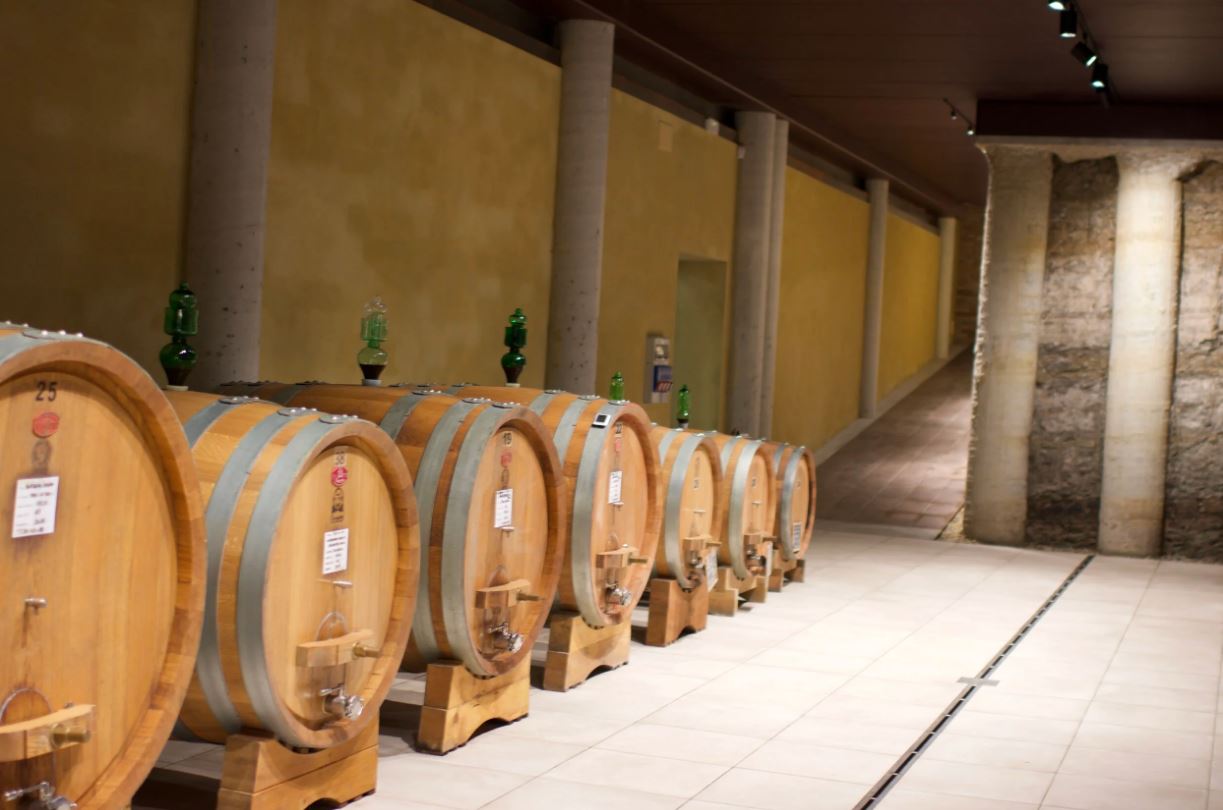
Modern Wineries Balance Tradition Innovation and Time Inside the Wooden Heart of Wine
The Origins of Oak in Wine Craft
Long before stainless steel tanks and climate-controlled cellars defined modern winemaking, oak was the vessel of choice for storing and aging wine. Its use dates back to the Roman Empire, when coopers crafted barrels as a more practical alternative to clay amphorae. Over centuries, winemakers discovered that oak did more than just hold wine; it transformed it. The interaction between liquid and wood infused wine with subtle aromas, softened tannins, and imparted textures that shaped its character. By the Middle Ages, oak had become synonymous with craftsmanship and quality. Each region in Europe developed its own preferences for wood species and barrel design, creating a legacy that continues to influence wineries today. The artistry of oak aging is not merely historical nostalgia but a living dialogue between nature and human intention, where the grain of the barrel speaks as eloquently as the grapes within it.
The Anatomy of the Barrel
An oak barrel is a masterpiece of precision and patience. Each stave, hand-selected and air-dried for years, contributes to the vessel’s integrity. The wood must balance permeability and strength, allowing micro-oxygenation without leakage. The inside of the barrel is toasted with fire, a process that caramelizes natural sugars and releases aromatic compounds such as vanillin, furfural, and spice-like phenols. These compounds subtly dissolve into the wine during aging, weaving notes of vanilla, clove, or smoke into its profile. The curvature of the barrel, the thickness of the staves, and the tightness of the grain all influence how much flavor and oxygen interact with the wine. Even the iron hoops that bind the wood have symbolic importance, representing unity between organic and human elements. A single barrel is both container and collaborator, an instrument that shapes wine as a violin shapes sound, producing harmony between fruit and wood.
The Varieties of Oak and Their Influence
Not all oak is created equal. The choice of wood species can determine the entire personality of a wine. French oak, particularly from forests such as Limousin, Allier, and Tronçais, is known for its fine grain and elegant tannins. It contributes subtle spice, cedar, and toast notes that enhance complexity without overpowering the grape’s expression. American oak, primarily from Missouri and Minnesota, has a wider grain that imparts stronger flavors of vanilla, coconut, and caramel. It is favored for robust reds like Zinfandel and Rioja, which can embrace its assertiveness. Hungarian and Slovenian oaks, once overlooked, have found renewed appreciation for their balance of density and affordability. Each wood reflects its native soil and climate, echoing the concept of terroir that defines the vineyards themselves. Modern winemakers often blend barrels from multiple origins, using wood as they would seasoning in a recipe, adjusting intensity and tone to achieve desired harmony.
Toasting The Crucible of Character
The toasting of oak is one of the most critical yet least understood steps in barrel making. Coopering houses apply controlled fire to the inside of each barrel to bend the staves and shape flavor potential. Light toasts preserve delicate, woody aromas that complement crisp white wines such as Chardonnay or Sauvignon Blanc. Medium toasts bring forward warm spice, caramel, and nutty tones suited to Pinot Noir or Merlot. Heavy toasts, almost charred, produce smoky and mocha-like qualities ideal for bold varieties like Cabernet Sauvignon or Syrah. The degree of toasting not only affects aroma but also the texture of tannins, altering how wine feels on the palate. In recent years, some wineries have experimented with hybrid toasting techniques, combining convection and infrared heating for precision. These refinements reflect the modern pursuit of consistency while respecting the unpredictable artistry that fire imparts to each barrel’s personality.
The Science of Micro-Oxygenation
While the sensory romance of oak aging captivates many, its scientific foundation lies in oxygen exchange. Unlike airtight vessels, oak barrels allow a slow and controlled diffusion of air into the wine. This micro-oxygenation facilitates polymerization, a process where tannins and anthocyanins combine to create smoother texture and stable color. The oxygen exposure also aids in developing complex aromas by triggering oxidation of certain compounds in the wine. However, too much oxygen can lead to spoilage or dullness. Master winemakers balance these dynamics through careful monitoring of barrel condition, humidity, and cellar temperature. In some modern facilities, winemakers replicate micro-oxygenation artificially using stainless steel tanks equipped with oxygen regulators, blending technology with tradition. Whether natural or controlled, this delicate relationship between oxygen and oak remains the invisible heartbeat of wine aging, guiding transformation from raw ferment to harmonious maturity.
Neutral Barrels and Subtle Maturity
Not all barrels are designed to impart flavor. After several years of use, oak loses much of its extractive power but gains another virtue: neutrality. These seasoned barrels no longer dominate the wine’s profile but provide an ideal environment for aging without oxidation. Neutral oak encourages texture development while preserving varietal purity. Many boutique wineries prefer to combine new and neutral barrels in their programs, layering complexity through contrast. A young barrel may contribute spice and structure, while an older one nurtures softness and integration. This balance is especially valuable for delicate wines like Pinot Gris or cool-climate Syrah, where excessive woodiness could mask nuance. Neutral barrels represent the quiet wisdom of aging, proving that sometimes restraint reveals more artistry than intensity. They remind both winemaker and drinker that maturity in wine is not measured by flavor alone but by harmony and depth of experience.
Barrel Alternatives and Sustainable Practices
As global demand for wine continues to rise, the sustainability of oak aging has come under scrutiny. Traditional barrels require years of forest growth and meticulous craftsmanship, making them both costly and resource-intensive. To address this, many modern wineries have adopted alternative methods that replicate some effects of oak without depleting natural resources. Oak chips, staves, and spirals can be added directly to tanks, offering controlled flavor extraction at lower cost. While purists view these methods as shortcuts, others see them as innovations that democratize quality wine production. Some producers are experimenting with acacia or chestnut wood, which provide distinctive aromatic profiles and renew faster than oak. Meanwhile, cooperages have begun sourcing wood from sustainable forestry initiatives and using recycled water and renewable energy in production. These changes signify an evolution in philosophy, where environmental responsibility becomes as integral to craftsmanship as sensory excellence.
Fermentation in Oak The Modern Revival
Although oak is most commonly associated with aging, a growing number of winemakers are returning to oak fermentation, a practice that predates stainless steel. Fermenting in barrels allows yeast and grape solids to interact directly with wood compounds, producing wines with greater roundness and complexity. This approach is particularly favored for white wines such as Chardonnay, where lees contact adds creamy texture and depth. Some red wines also benefit from barrel fermentation, gaining integration between fruit and tannin from the earliest stages. Modern technology has revived this ancient method with precision. Temperature-controlled barrel rooms and specialized rotating barrels ensure consistency without losing the artisanal touch. The result is wine that feels both traditional and contemporary, a product of experimentation rooted in respect for heritage. Oak fermentation, once considered cumbersome, has reemerged as a hallmark of craftsmanship for wineries seeking authenticity in an increasingly mechanized world.
The Role of Barrel Size and Shape
The influence of oak on wine is not determined by material alone but also by geometry. Smaller barrels, such as the classic 225-liter Bordeaux barrique, maximize surface area contact, leading to more intense flavor extraction. Larger vessels, like 500-liter puncheons or 1000-liter foudres, offer gentler interaction, preserving freshness and fruit character. Some winemakers experiment with oval or egg-shaped barrels, which encourage natural convection currents that keep lees in motion, promoting texture and integration. The choice of size and shape reflects both aesthetic and practical philosophy. A winemaker focused on elegance might favor large, neutral casks for slow aging, while one seeking boldness might use smaller, heavily toasted barrels. Modern cooperages now offer customizable designs, enabling vintners to tailor vessel architecture to grape variety and style. Through these variations, oak remains not a static tradition but a versatile instrument capable of infinite expression.
Flavor Evolution Over Time
Wine’s transformation in oak is a living process that unfolds through phases. In the early months, the wine absorbs soluble compounds like lactones and phenols, creating aromas of vanilla, spice, and toast. As months turn to years, these primary notes fade into deeper integration, giving rise to secondary flavors of dried fruit, leather, or cocoa. The wine’s color stabilizes, its structure softens, and its mouthfeel becomes more cohesive. Each stage requires precise timing; bottling too soon risks imbalance, while waiting too long may lead to over-oxidation or wood dominance. Modern analytical tools allow winemakers to track chemical changes with unprecedented accuracy, yet many still rely on the ancient method of tasting directly from the barrel. The palate remains the ultimate guide, capable of perceiving subtleties that no machine can quantify. In this balance of intuition and science, oak aging achieves its most profound artistry.
Regional Interpretations of Oak Tradition
Every winemaking region has adapted oak aging to its own landscape and culture. In Bordeaux, new oak is used selectively to accentuate structure in grand cru blends. In Burgundy, the focus is on finesse, with many producers favoring lighter toasts and longer maturation periods. Spanish bodegas, particularly in Rioja, have developed an entire classification system based on time in oak, from Crianza to Gran Reserva. In the New World, experimentation reigns. California winemakers blend French and American barrels to craft signature styles, while Australians have pioneered the use of larger puncheons for balance. Even in emerging regions such as South Africa and Chile, oak aging is redefining identity, merging global knowledge with local terroir. These regional expressions prove that oak is not merely a tool but a language, one spoken differently in every corner of the wine world, yet understood universally through taste and tradition.
The Fusion of Technology and Tradition
Modern wineries operate at the crossroads of innovation and heritage. Sensors now track humidity and temperature inside barrel rooms with pinpoint precision, while software logs oxygen ingress rates and toasting histories. Robotic systems assist in barrel rotation and cleaning, tasks that once demanded exhaustive manual labor. Yet, amid this digital sophistication, the essence of oak aging remains profoundly human. The judgment to blend, to taste, to wait, these cannot be programmed. Winemakers use technology not to replace intuition but to refine it. The goal is consistency without sterility, precision without losing soul. This marriage of science and tradition exemplifies the broader evolution of craft in the twenty-first century, where respect for materials coexists with pursuit of perfection. Oak aging, guided by both data and desire, continues to embody the delicate balance between control and surrender that defines all great art.
The Environmental Future of Cooperage
As climate change alters forest growth patterns, the future of oak aging faces new challenges. Shifts in temperature and rainfall influence the density and grain of oak, affecting its flavor and durability. Some cooperages are partnering with forestry organizations to plant diverse oak species, ensuring long-term sustainability. Others are experimenting with reclaimed wood from vintage barrels, creating vessels that carry both history and environmental awareness. Energy-efficient kilns and biodegradable sealants are replacing older, wasteful methods. The idea of terroir, once confined to vineyards, now extends to the forests that supply the barrels. Wineries are increasingly transparent about sourcing, listing cooperages and wood origins on labels as badges of integrity. The sustainability of oak aging reflects a broader movement in winemaking, a recognition that true craftsmanship respects not only tradition but also the ecosystems that make it possible.
The Silent Dialogue Between Wood and Wine
Every drop of wine aged in oak carries whispers from the forest, traces of flame, and the patience of human hands. The barrel is more than a vessel; it is a living participant in transformation. Its grain holds the rhythm of seasons, its pores breathe the air of cellars, and its essence merges with the liquid it shelters. Modern wineries, for all their innovation, still return to this ancient partnership because it offers something irreplaceable, depth born of time. The secrets of oak aging are not locked in chemistry alone but in the humility of waiting and the faith that nature’s quiet processes will reward restraint. In the end, when a cork is pulled and a glass is poured, what we taste is not only fruit and fermentation but the story of patience, earth, and fire united in harmony. The wine speaks softly, and oak gives it voice.