

Fire, Memory, and the Shades Between
Roast Profiles Reflect Human Emotion and Shape the Way We Experience Flavor
Heat as Translator of Feeling
Roasting coffee is more than chemistry. It is a dialogue between intention and transformation, a moment when heat interprets the raw potential of a green bean into something expressive. Each degree and second alters not only taste but the sensation that taste conveys. A light roast captures brightness and energy, echoing curiosity and playfulness. A darker roast absorbs that liveliness, replacing it with depth, comfort, and reflection. In this process, temperature becomes language, one that roasters learn to read through intuition as much as through instruments. Every batch carries emotional weight, shaped by the roaster’s patience, instinct, and attention. Heat does not simply cook coffee; it sculpts emotion into flavor, giving drinkers the ability to feel a story before they ever form words for it.
The Palette of Transformation
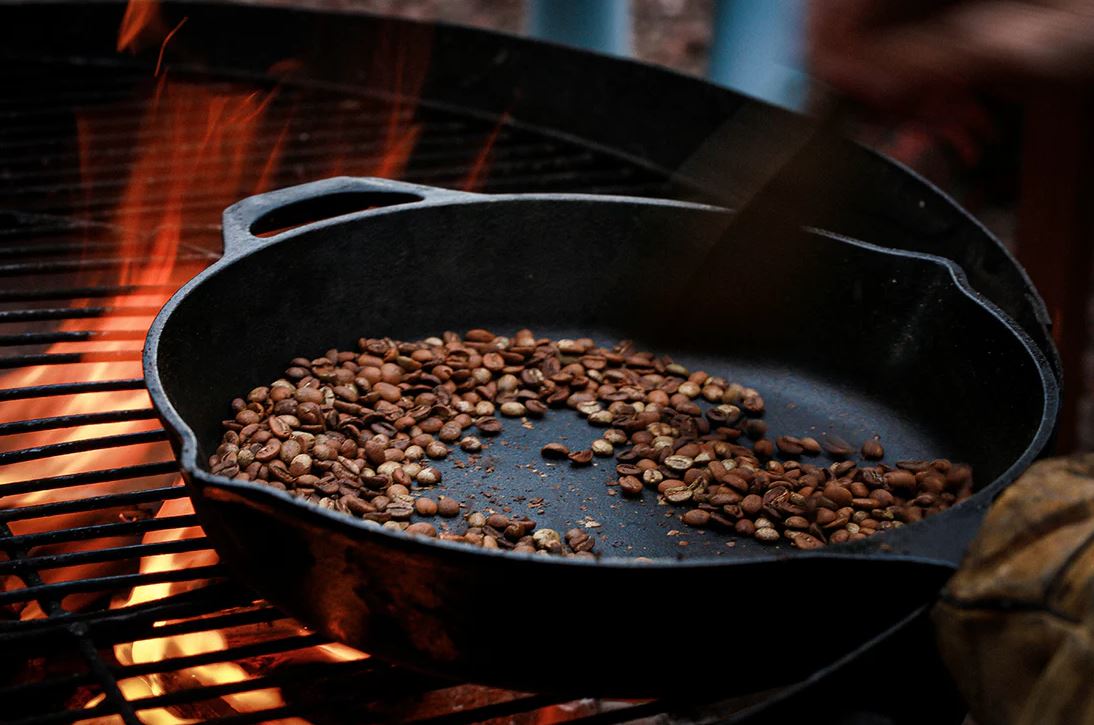
Each roast profile sits somewhere between science and art. The first crack, a sound like quiet applause, signals the start of caramelization. The beans expand and release moisture, developing sweetness and structure. The second crack, sharper and louder, marks the threshold of intensity. Beyond it lies risk—the point where character becomes obscured by smoke. Between these moments, flavor evolves in waves: floral notes surrender to fruit, fruit to sugar, sugar to carbon. The roast curve charts this journey, yet the sensory experience defies pure measurement. Roasters learn to listen as much as they calculate. The faint aroma of almonds or cocoa tells more about progress than any timer can. The process demands empathy with the material, a capacity to sense when the bean has reached its emotional balance, where flavor and feeling coexist.
Light and Dark as Emotional Spectrum
Light roasts are often described as bright, lively, and delicate, yet their effect reaches beyond description. They evoke alertness, curiosity, and clarity. Each sip feels like a morning conversation with possibility still ahead. Medium roasts settle the mind, their warmth suggesting stability and trust. They meet the drinker halfway, balancing curiosity with comfort. Dark roasts speak differently. Their bittersweet density carries weight, like the quiet of late evening. They satisfy through richness rather than brightness, inviting reflection more than excitement. These emotional parallels are not coincidental. The human brain links taste perception with memory and mood. The progression from light to dark mirrors the movement of experience itself—from anticipation to contentment to introspection. In this way, roast level becomes an emotional vocabulary, guiding how the drinker feels long before they interpret flavor analytically.
The Role of Memory in Taste
Every roast, regardless of profile, interacts with the mind’s archive of memories. The aroma of lightly roasted beans may awaken recollections of citrus, sunlight, or the first sip of coffee shared with a friend. A darker roast might conjure the warmth of a fireplace, the texture of charred wood, or a familiar sense of calm. This happens because flavor perception is inseparable from memory. When we taste, the brain reconstructs past experiences to interpret what is present. Roasters understand this intuitively. They manipulate temperature to evoke responses that feel human rather than mechanical. The sweetness of a balanced roast or the slight bitterness at its edge can stir nostalgia as easily as sound or scent. Through heat, coffee becomes a trigger for recollection, blending past and present into one seamless sensory moment.
The Psychology of Perception
Taste is not objective, yet it follows patterns rooted in psychology. The same coffee can be described as lively or sharp, comforting or bold, depending on context. Expectation shapes interpretation. If a cup is introduced as vibrant and fruity, the taster is more likely to perceive acidity as refreshing rather than harsh. Emotional framing alters sensory judgment. Roasters use this knowledge when designing roast profiles, aligning flavor with the feelings they wish to evoke. They treat the roasting drum as both laboratory and stage, orchestrating sensory cues that prepare the drinker’s mind. The relationship between expectation and flavor extends beyond marketing; it becomes part of experience itself. When roasted with intention, coffee invites emotion rather than merely taste, turning the act of drinking into participation in a crafted psychological performance.
Rhythm and Precision in the Roast Curve
Each roast follows a trajectory of temperature and time that resembles a piece of music. The beginning is quiet, full of tension, as energy builds. Then comes a rise in tempo—the Maillard reaction—when sugars darken and complexity deepens. A skilled roaster reads the rhythm through sound, smell, and color. Too fast, and sweetness collapses. Too slow, and acidity lingers unbalanced. Every decision changes the emotional character of the cup. A sharp drop at the end of development might yield brilliance, like a short burst of laughter. A gradual finish allows the profile to mellow into comfort. Consistency demands discipline, but interpretation gives individuality. Two roasters can start with identical beans and equipment yet end with completely distinct results, much like two musicians performing the same melody with different emotional phrasing.
Culture in the Shade of the Bean
Roast preferences reveal more than personal taste; they trace cultural identity. In northern Europe, light roasts dominate, prized for transparency and nuance. In southern regions, darker profiles remain beloved for their strength and intensity. Each preference reflects climate, tradition, and pace of life. A colder morning calls for brightness, while a warm evening welcomes depth. These preferences also influence emotion. In places where subtlety is celebrated, coffee becomes an intellectual exploration. Where richness reigns, it becomes a symbol of hospitality and warmth. Roasters respond to these patterns by adapting techniques to local feeling. What emerges is not standardization but diversity—a global map of emotional response shaped by culture, geography, and shared ritual. Every roast curve becomes a reflection of its people and their relationship to comfort, energy, and time.
The Interplay of Roaster and Drinker's Mind
Roasters and drinkers share a silent connection through flavor. One expresses emotion through heat and timing; the other receives it through taste and feeling. This exchange requires trust. The drinker cannot witness the process, yet they recognize its intention in every sip. Subtle changes in balance or sweetness can alter mood, even unconsciously. A well-roasted coffee brings harmony, easing the senses and grounding the body. An overdeveloped roast might create tension, overwhelming the palate. Both outcomes reflect the emotional accuracy of the roaster’s craft. Each batch, therefore, is not only a product but a form of communication. The roast becomes a message, and the cup its delivery. When alignment occurs, when the drinker feels what the roaster meant to express, the craft transcends transaction and becomes empathy made liquid.
Texture as Emotional Touch
Beyond flavor, the tactile experience of coffee carries its own emotional signature. A silky body feels soothing, a crisp finish feels alert. Texture bridges sensation and emotion more directly than any tasting note can. The roast determines much of this character. Lighter profiles tend toward lighter bodies, emphasizing sparkle and movement, while darker profiles add weight, evoking stability and grounding. Texture interacts with aroma and aftertaste to shape emotional response. The combination of smoothness, warmth, and lingering sweetness can calm the mind as effectively as sound or color. Roasters manipulate this through the control of moisture loss and bean expansion, sculpting how the liquid feels as much as how it tastes. In this way, texture becomes an invisible layer of expression, one that speaks through sensation rather than language.
Time as the Emotional Ingredient
Patience defines roasting as much as heat. Every second adds or subtracts emotion from the profile. Quick development can create brilliance but risks volatility. Slow roasting deepens sweetness but sacrifices sparkle. Time is the invisible ingredient that ties technical control to psychological effect. It represents the rhythm of decision-making—the pause before the drop, the hesitation before cooling. These moments of timing reflect the roaster’s temperament. Some approach the process like improvisation, relying on instinct, while others follow strict data curves. Both approaches produce meaning through time. The duration of heat exposure mirrors human experience, where intensity and patience shape identity. In the hands of a skilled roaster, time becomes narrative, allowing flavor to unfold like memory, with peaks, rests, and quiet resolution.
The Flavor of Human Expression
Roast profiles reveal the intimate relationship between craft and emotion. Every shift in color, every change in aroma, tells of human intention shaped by fire. The cup that results holds more than chemistry—it holds memory, temperament, and feeling. Coffee becomes a reflection of its maker’s awareness, a record of choices that merge precision with empathy. Through roasting, simple beans gain personality, speaking to both palate and heart. The connection between flavor and psychology proves that taste is never neutral. It carries resonance, context, and story. When heat, time, and intuition align, the result transcends beverage. It becomes experience, an invitation to feel rather than to judge. In that moment, flavor achieves its highest purpose—not perfection, but expression.