

The Shape of Savoring
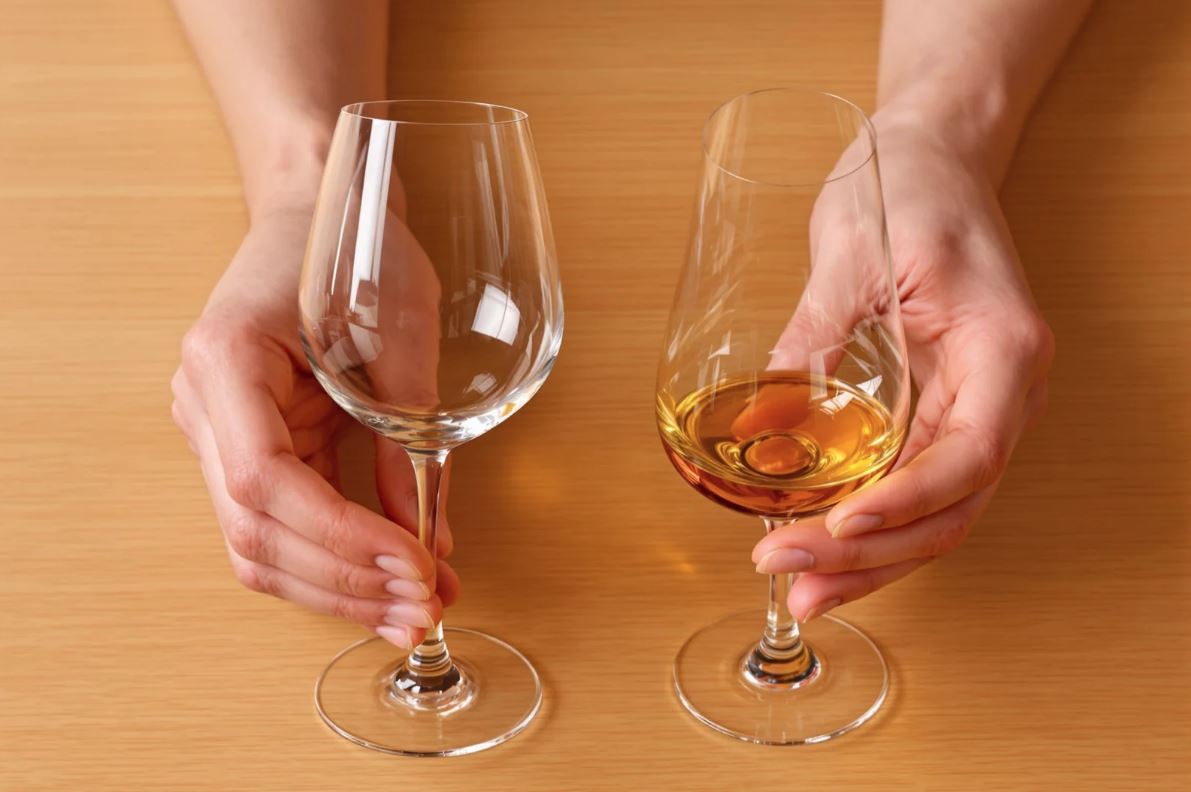
The Glass Form and Design Influence the Way We Experience Flavor and Emotion
Where Form Meets the Senses
Few people realize that the vessel they drink from can alter the very essence of what they taste. The way a glass curves, narrows, or widens directs aroma and texture in ways that subtly shape perception. A narrow rim channels scent toward the nose, heightening fragrance before the liquid even reaches the tongue. A wider bowl exposes more surface area to air, coaxing complexity from the drink inside. The connection between form and flavor begins long before the first sip. It is not only a matter of aesthetics but of physics and psychology. The act of holding glass, of feeling its weight and temperature, primes the mind for expectation. What we think we are about to taste changes how we actually taste it. The vessel becomes a silent collaborator, shaping experience through design.
Crafting an Invisible Influence
Glassware designers work with invisible forces, manipulating temperature retention, surface tension, and flow to create specific sensory outcomes. Their goal is not simply to contain liquid but to guide its movement. The curvature of a tulip glass, for instance, traps aroma while concentrating it at the opening, creating an immersive olfactory experience. A fluted shape, used in sparkling beverages, controls the release of bubbles, allowing a gradual evolution of effervescence. Every contour serves a purpose, from the thickness of the lip to the slope of the base. These details shape the way liquid interacts with air, the mouth, and the senses. Over time, traditions have assigned specific glasses to beverages not out of convention but out of performance. Each silhouette has been refined through centuries of experimentation until form became inseparable from function.
The Psychology of Expectation
The brain does not separate taste from context. The weight of a glass, the clarity of its surface, and even its sound when touched all contribute to expectation. Researchers have found that heavier glasses tend to make drinks feel richer and more valuable, while thinner ones emphasize delicacy and refinement. Color plays a role as well. A faint tint can suggest warmth or freshness, shifting the emotional response to flavor. Even the clarity of the liquid seems different when framed by specific shapes. The mind translates these cues into sensation. A tapered glass can make acidity seem brighter, while a rounded one softens harshness. These shifts occur subconsciously, yet they determine preference. The interaction between design and psychology reminds us that flavor is not a fixed property but a perception built from multiple senses acting in harmony.
History Carved in Crystal
The evolution of glassware mirrors the evolution of taste itself. Early vessels were thick and utilitarian, designed for durability rather than expression. As craftsmanship advanced, glassmakers began shaping their creations to complement emerging beverage traditions. The Renaissance saw the birth of goblets that reflected light like jewels, celebrating wine as art. Later, industrial precision introduced uniformity, allowing experimentation with thinness and proportion. The twentieth century brought scientific curiosity to design, with sommeliers and brewers collaborating with glassmakers to study aroma retention and fluid dynamics. What began as ornament became instrument. Each era left behind a signature shape, a visual echo of cultural values. Modern glassware continues this lineage, merging heritage with innovation, transforming centuries of artistry into sensory science that affects every sip.
The Role of Aroma Pathways
Smell dominates taste perception, often more than flavor molecules themselves. The design of glass determines how those aromas reach the nose. A narrow rim focuses volatile compounds, creating intensity. A wider rim disperses them, producing gentler complexity. The interplay between temperature and geometry further affects aroma release. Warm drinks release scent faster, requiring narrower containment to maintain concentration. Cold ones benefit from openness, allowing subtle notes to emerge gradually. The height and shape of the bowl create microcurrents that lift aroma molecules toward the surface. This is why coffee cupping bowls, wine glasses, and beer tulips differ so distinctly in shape. Each directs aroma flow according to the chemistry of the beverage. The result is not just difference in smell but difference in emotion. The first inhale shapes the story the drink will tell.
The Tactile Dialogue of Glass and Hand
How a glass feels in the hand alters connection to the drink itself. Smooth edges convey refinement, while textured surfaces add grip and familiarity. A tall stem invites formality, separating hand warmth from liquid temperature. A short tumbler invites relaxation, encouraging casual touch. The act of holding becomes part of anticipation. When the fingers wrap around cool glass, the sensory system receives a signal of refreshment. When warmth radiates through a ceramic mug, it signals comfort. Designers consider these subtle exchanges carefully. Every contour, every shift in thickness changes how pressure and temperature are perceived through the skin. The body responds before the mind interprets, creating harmony between touch and taste. The design of glassware transforms this physical interaction into emotion, reminding us that enjoyment begins with the fingertips.
Acoustics of the Pour
Sound is an often-overlooked part of flavor perception. The tone of liquid hitting glass influences anticipation as much as aroma does. A thin-walled vessel produces a higher, more delicate pitch, suggesting refinement. A thicker one yields a lower note, evoking substance and depth. The chime of a toast, too, carries emotional weight, signaling community and celebration. The sound of bubbles rising in a narrow flute versus a wide bowl changes how the drink feels even before it touches the lips. Designers test glass density and curvature to control resonance, ensuring the auditory experience aligns with the character of the beverage. What the ear hears primes the palate. Each sound becomes a prelude, a kind of sensory overture that prepares the drinker to receive flavor in a specific emotional register.
Temperature, Material, and Perception
Different materials conduct heat in different ways, and glass design takes advantage of these properties. Double-walled glass retains temperature while giving the illusion of fragility. Thick glass conveys stability and warmth. The interplay between thermal control and sensory response determines how flavor unfolds. Temperature influences volatility, mouthfeel, and sweetness perception. A well-designed vessel manages these variables without distraction. Some glassmakers experiment with microtextures that slow cooling or channel condensation away from the hand. Others focus on rim geometry to control how liquid flows over the tongue. Even a fraction of a millimeter can shift how sweetness or acidity registers. The tactile and thermal performance of glass is not aesthetic decoration, it is the structural choreography of taste, balancing science and intuition in perfect proportion.
The Emotional Architecture of Design
Beyond functionality lies something more elusive. Good glassware does not simply perform; it feels right. The curve of a rim or the balance of a stem can elicit emotion without explanation. Designers speak of creating rhythm and flow, as if glass itself possesses movement. The emotional resonance of design emerges from proportion and harmony. When a glass looks balanced, it triggers a sense of calm. When it feels weighted toward the base, it conveys stability. The psychology of visual form connects beauty with expectation. A well-designed vessel encourages the drinker to slow down, to notice, to care. In doing so, it amplifies the meaning of taste. The emotion one feels while lifting a glass is inseparable from the memory of what was inside it. Design and flavor share the same emotional language.
Technology in Modern Glassmaking
Contemporary innovations have turned glass into an experimental medium for flavor control. Laser etching, used to influence bubble formation, allows carbonation to rise in controlled streams. Machine-calibrated thinness enhances clarity while preserving strength. Some designers now employ computational modeling to simulate airflow and aroma diffusion, creating shapes optimized for each beverage. Smart materials that adjust transparency or temperature are emerging, bridging craft with engineering. Yet despite technological advancement, the essence remains the same: glass exists to serve sensation. Technology simply refines its ability to do so. Every advancement aims to deepen connection between drink and drinker, between the sensory and the emotional. What was once art by intuition now merges with precise science, yet both pursue the same goal, to make the experience of taste more human and complete.
When the Vessel Becomes the Memory
Every drink leaves behind more than flavor. It leaves memory, atmosphere, and emotion that linger long after the last drop. The glass in which it was served becomes part of that recollection. Its shape, its feel, its weight, all become tied to the experience itself. Over time, people associate certain shapes with comfort, celebration, or calm. The vessel becomes a keeper of stories, not just a container of liquid. When design succeeds, it disappears into the background, allowing the drinker to feel fully present. In that quiet harmony between material and mind, glass transforms from object into experience. It teaches that taste is never isolated. It is always connected, to design, to memory, to feeling. And in that connection lies the subtle art of truly savoring.